-
-
-
-
-
-
-
CRM Software for Sales Teams and Lead Management
Mumbai, Maharashtra, India
CRM Software for Sales Teams company from Mumbai India delivering lead management and customer engagement automation tools.
Shipping Information
Exporter details revealed after verified importer registration
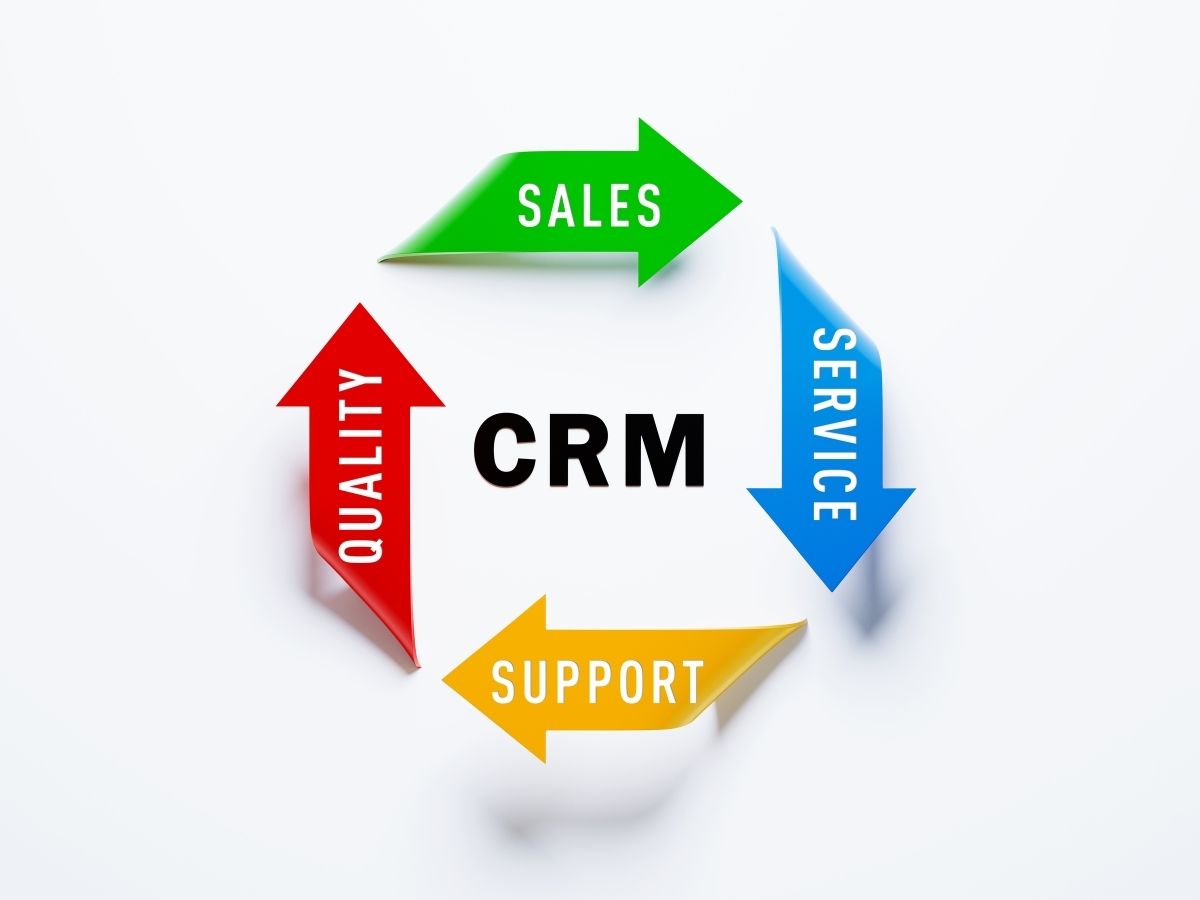
CRM Software for Sales Teams is a digital customer relationship management solution designed to help businesses capture leads, manage prospects, organize customer information, track sales opportunities, schedule follow-ups, monitor deals, and manage sales pipelines through a centralized platform. By bringing leads, contacts, accounts, activities, communications, opportunities, and sales reports into one system, businesses can improve sales visibility and reduce dependence on disconnected spreadsheets, personal notes, emails, and manual follow-up processes.
The software can support lead capture, contact management, account management, opportunity tracking, customizable sales pipelines, deal stages, tasks, reminders, calls, meetings, notes, communication histories, sales assignments, lead sources, sales forecasting, dashboards, and performance reports. Features and workflows can be configured according to business size, sales process, industry requirements, team structure, customer journey, and integration needs.
As comprehensive CRM Software for Sales Teams and Lead Management, the solution is suitable for startups, SMEs, enterprises, B2B companies, manufacturers, wholesalers, distributors, sales agencies, professional service firms, real estate businesses, financial service providers, technology companies, and other organizations seeking centralized control over leads, customer relationships, sales pipelines, and revenue opportunities.
| Attribute | Details |
|---|---|
| Solution Name | CRM Software for Sales Teams |
| Main Category | Business Services & Equipment |
| Sub Category | Business Software Solutions |
| Core Modules | Lead Management, Contact Management, Account Management, Sales Pipeline, Opportunities, Activities, Follow-Ups, Reports & Dashboards |
| Lead Management | Lead Capture, Lead Sources, Assignments, Statuses, Priorities, Qualification, Follow-Ups & Conversion Tracking |
| Sales Pipeline | Prospecting, Qualification, Proposal, Negotiation, Won, Lost or Custom Sales Stages |
| Activity Management | Tasks, Calls, Meetings, Emails, Notes, Reminders, Follow-Ups & Communication History |
| Team Management | Sales Representatives, Teams, Territories, Assignments, Targets, Activities & Performance Reports |
| Deployment Options | Cloud-Based, Web-Based, SaaS, Mobile-Enabled or Customized Based on Business Requirements |
| Integration Options | Email, Telephony, Websites, ERP, Accounting Software, Marketing Platforms, Communication Tools, APIs & Third-Party Applications |
| Customization | Sales Stages, Lead Fields, Workflows, User Roles, Dashboards, Reports, Notifications, Integrations & Branding |
CRM Software for Sales Teams can centralize essential sales activities and provide sales representatives, managers, business owners, account executives, administrators, and authorized users with structured access to leads, customers, opportunities, activities, communications, and sales performance information.
The CRM can maintain structured lead records containing contact details, company information, lead sources, interests, requirements, assigned sales representatives, communication histories, activities, notes, documents, priorities, statuses, and other configurable information.
Sales teams can track leads through configurable stages such as new lead, contacted, qualified, proposal sent, negotiation, converted, lost, or other custom statuses according to the organization's sales process.
A structured sales pipeline can provide visibility into active opportunities and their current stages. Sales representatives and managers can monitor deals across prospecting, qualification, proposal, negotiation, closing, won, lost, or customized stages.
Businesses with different products, services, departments, geographic markets, customer types, or sales processes can configure multiple pipelines according to operational requirements and system capabilities.
CRM Software can maintain contact profiles containing names, phone numbers, email addresses, designations, organizations, communication histories, activities, opportunities, documents, notes, and other permitted information.
For B2B sales processes, multiple contacts can be associated with a company or customer account, helping sales teams maintain structured relationships with decision-makers, purchasing teams, managers, technical contacts, and other stakeholders.
Sales representatives can schedule tasks, calls, meetings, demonstrations, follow-ups, and other activities associated with leads, contacts, accounts, or opportunities. Reminders and notifications can help users identify upcoming and overdue activities according to system configuration.
The CRM can maintain a chronological history of calls, meetings, emails, notes, status changes, assignments, and other sales activities, providing authorized users with better context when managing customer relationships and opportunities.
Sales teams can create and manage opportunities with information such as deal value, expected closing date, probability, products or services, assigned sales representative, pipeline stage, associated contacts, notes, activities, and other configurable fields.
Depending on system configuration, CRM workflows can automate selected activities such as lead assignments, status updates, task creation, reminders, notifications, follow-up scheduling, and other repetitive processes based on predefined rules and triggers.
Incoming leads can be assigned manually or automatically according to configured criteria such as geography, product, service, industry, sales territory, team, availability, or other business rules.
CRM dashboards and reports can provide visibility into active leads, opportunities, pipeline values, expected closures, won deals, lost opportunities, sales activities, lead sources, conversion patterns, and other sales metrics according to available data and system configuration.
Managers can review activities, follow-ups, lead assignments, opportunity pipelines, conversions, won deals, and other configured performance indicators for individual sales representatives or teams.
CRM Software for Sales Teams can support businesses across different industries that require centralized lead management, customer relationship tracking, opportunity management, sales follow-ups, pipeline visibility, and performance reporting.
When selecting CRM Software for a sales team, businesses should evaluate whether the platform supports their actual lead sources, sales processes, pipeline stages, follow-up requirements, team structure, customer relationships, reporting needs, integrations, mobile access, security requirements, and future scalability.
CRM Software can bring leads, contacts, accounts, opportunities, communications, activities, and sales reports into a centralized environment. This can reduce dependence on disconnected spreadsheets, individual sales records, personal notes, and fragmented customer information.
Structured pipeline stages can help sales representatives and managers understand which opportunities are new, qualified, under discussion, awaiting proposals, in negotiation, won, lost, or requiring additional follow-up.
Tasks, reminders, activity histories, lead assignments, and configurable notifications can help sales teams maintain better visibility into upcoming and overdue customer interactions.
A scalable CRM platform can support additional users, teams, territories, leads, contacts, accounts, pipelines, activities, integrations, and reporting requirements as business operations grow.
The software can be configured according to specific business requirements, including custom lead fields, sales stages, opportunity workflows, lead assignment rules, user roles, approval processes, notifications, dashboards, reports, and customer data structures.
Depending on API availability and technical compatibility, CRM Software for Sales Teams can integrate with email services, telephony systems, websites, contact forms, marketing platforms, ERP software, accounting applications, e-commerce platforms, communication tools, calendars, cloud services, and third-party APIs.
The solution can be offered as a cloud-based CRM, web-based application, SaaS platform, mobile-enabled sales CRM, dedicated enterprise system, customized CRM application, or integrated ERP module according to technical and operational requirements.
CRM Software for Sales Teams can incorporate secure authentication, role-based access controls, encrypted data transmission, activity logs, session management, backup processes, and recovery procedures according to the selected architecture and project requirements. Quality assurance can include functional testing, sales workflow validation, integration testing, automation testing, performance testing, security reviews, user acceptance testing, and deployment validation within the agreed implementation scope.
CRM Software for Sales Teams is a digital customer relationship management solution designed to help businesses capture leads, manage contacts and accounts, track sales opportunities, organize follow-ups, monitor deals, maintain communication histories, and manage sales pipelines through a centralized platform.
CRM Software can be used by startups, SMEs, enterprises, B2B companies, manufacturers, wholesalers, distributors, technology companies, professional service firms, real estate businesses, financial service providers, sales agencies, and other organizations managing leads and customer relationships.
Yes. CRM Software can manage leads, contacts, accounts, opportunities, deal values, expected closing dates, sales stages, activities, follow-ups, and conversion histories according to configured workflows.
Yes. Sales pipelines can be configured with stages such as prospecting, qualification, proposal, negotiation, won, lost, or other custom stages according to the organization's sales process.
Yes. Depending on system configuration, CRM workflows can automate selected activities such as lead assignments, status changes, task creation, reminders, notifications, follow-up scheduling, and other repetitive sales processes.
Yes. CRM dashboards and reports can provide visibility into sales activities, lead assignments, follow-ups, pipeline values, opportunities, conversions, won deals, lost deals, and other configured performance indicators.
Yes. Depending on API availability and technical compatibility, CRM Software can integrate with email services, telephony systems, websites, marketing platforms, ERP software, accounting applications, e-commerce platforms, calendars, communication tools, and other third-party systems.
Connect with EXP01023 and thousands of verified Indian exporters on Navi Exports