-
-
-
-
-
-
-
Dry Ginger Powder Exporter India
Mumbai, Maharashtra, India
Dried ginger powder for beverages bakery and food processing bulk export buyers
Shipping Information
Exporter details revealed after verified importer registration
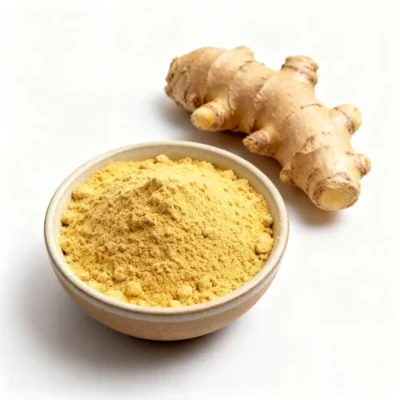
This is ginger dried, cleaned, and ground into a fine powder rather than sold as the fresh root, used across food processing, beverages, herbal formulations, and pharmaceutical preparations where a shelf-stable form matters more than fresh pungency. The ginger itself comes from India's growing belt, mainly Kerala and Meghalaya, and gets processed and consolidated for export through Mumbai, home to Nhava Sheva, India's largest container port. Mumbai doesn't grow ginger. It moves it, and moves a lot of it, which is a different but equally practical reason to source through here if your supply chain already routes through West Coast shipping lanes.
| Attribute | Details / Value | Compliance / Standard |
|---|---|---|
| Source Regions | Kerala (low-fiber, aromatic) and Meghalaya (high-curcumin) | Specify origin preference at inquiry |
| Grades Available | Premium, Organic (NPOP), Steam Sterilized, Food Processing Grade | Custom mesh size on request |
| Mesh Size | 40, 60, 80, 100 mesh, or custom | Matched to buyer's application |
| Moisture Content | Max 10% | Confirmed via Certificate of Analysis |
| Color | Light cream to pale yellow | Visual grading per batch |
| Packaging | 250g to 50kg export packs, HDPE bags, woven PP sacks for bulk | Custom private-label packaging available |
| Shelf Life | 18 to 24 months, sealed and stored dry | Batch-dated |
| HS Code | 0910.12 (International) / 09101210 (India ITC-HS) | WCO Harmonized System |
This is the detail most ginger powder listings skip, and it's the one that actually affects what a buyer gets. Kerala grows a milder, low-fiber ginger with a strong aromatic character, and it's the variety European buyers tend to prefer for food and beverage use where a cleaner, less sharp flavor matters. Meghalaya grows a more potent, higher-curcumin ginger, and pharmaceutical and nutraceutical buyers favor it specifically for that reason, since curcumin content is part of what they're paying for in a herbal formulation. Karnataka and Himachal Pradesh round out the supply with a more robust ginger suited to bulk commodity trade. A buyer who doesn't specify origin usually gets whichever region has stock that week, worth asking about directly rather than assuming.
Food manufacturers and bakery producers use it as a stable, standardized alternative to fresh ginger where a consistent mesh size and moisture level matters for automated dosing. Nutraceutical and pharmaceutical companies buy specifically for curcumin content and want Meghalaya-origin stock with documented potency, not just a generic "dry ginger powder" listing. Beverage manufacturers, particularly in the growing ginger shot and functional drink category, need fine-mesh, high-solubility powder and tend to order smaller, more frequent batches than a bakery running large production runs.
It depends on your use case. Kerala ginger is milder and more aromatic, generally preferred for food and beverage applications. Meghalaya ginger has higher curcumin content and is favored by pharmaceutical and nutraceutical buyers for that specific reason. If your product doesn't depend on curcumin potency, Kerala origin is usually the better fit.
Mumbai's Nhava Sheva port is India's largest container port, which makes it a practical consolidation and export point for goods sourced from growing regions elsewhere in the country. This is standard in commodity trade, growing and export logistics are often in different locations entirely.
Steam sterilization reduces microbial load on the raw ginger before grinding, which matters for buyers with strict food safety requirements, without significantly altering flavor or aroma. It's a processing step, not a different grade of ginger, so it can typically be applied to either Kerala or Meghalaya origin stock.
Yes, standard mesh sizes run from 40 to 100 mesh, and custom grinding to a specific mesh size is available on request. Specify your application, capsule filling needs a different particle size than a bakery seasoning blend, so the right mesh gets confirmed before production.
Yes, NPOP-certified organic dry ginger powder is available as a separate product line from certified organic farms. Ask for the organic certification documentation directly rather than assuming a "premium" or "high quality" label implies organic status, since those are different claims.
Connect with EXP01001 and thousands of verified Indian exporters on Navi Exports