

Kolkata, West Bengal, India
Espresso roast coffee supplier providing dark roasted coffee for cafes and espresso-based beverages.
Shipping Information
Exporter details revealed after verified importer registration
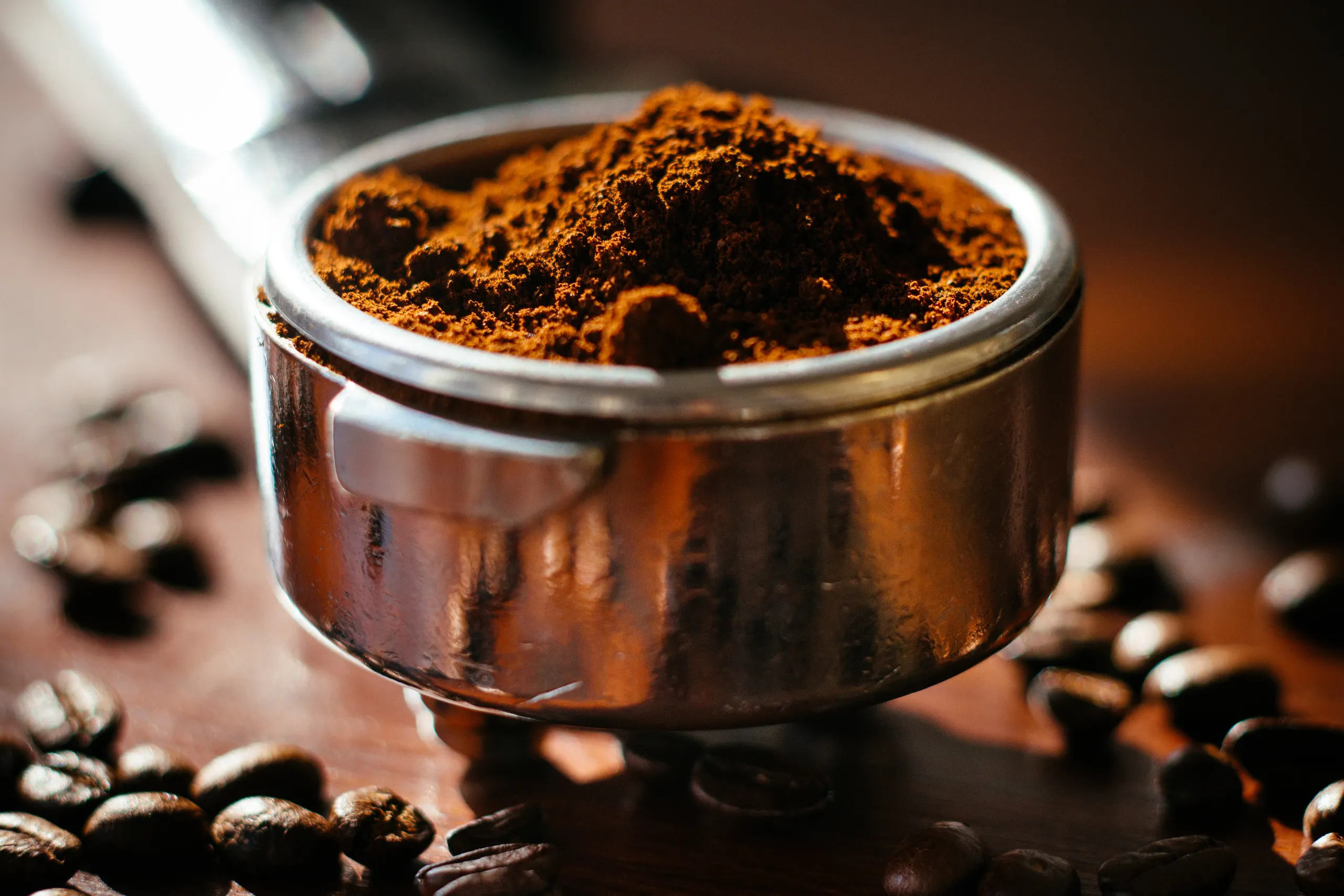
This is dark-roasted coffee built specifically for espresso extraction, usually a blend of Robusta for crema and body and Arabica for aromatic complexity, roasted past the point where a filter roast would stop. India grows both varieties across its southern coffee belt, Robusta from the warmer estates of Kerala, coastal Karnataka, and Tamil Nadu, and Arabica from the higher-altitude hills of Coorg and Chikmagalur. Indian coffee exports have been climbing fast, up over 26% year on year in the first four months of 2026 alone, with Robusta leading that growth precisely because it's the backbone of espresso and instant coffee demand worldwide.
| Attribute | Details / Value | Compliance / Standard |
|---|---|---|
| Bean Composition | Robusta/Arabica blend (typically 60/40 or 70/30 Robusta-heavy), or single-origin on request | Custom blend ratio available |
| Roast Level | Dark roast (City+ to Full City, or French roast on request) | Roast curve confirmed at sampling |
| Origin Regions | Robusta from Kerala/coastal Karnataka, Arabica from Coorg/Chikmagalur | GI-tagged origins: Wayanad Robusta, Coorg Arabica |
| Moisture Content | Max 12% (green), roasted beans tested per batch | Coffee Board of India grading norms |
| Caffeine Content | Higher in Robusta-forward blends, given Robusta's near-double caffeine versus Arabica | Confirmed via Certificate of Analysis |
| Format | Whole bean or ground (espresso grind on request) | Ground coffee has shorter recommended shelf life |
| Packaging | One-way degassing valve bags, 250g to 1kg retail, 25kg bulk sacks | Preserves freshness post-roast |
| HS Code | 0901.21 (International) / roasted, not decaffeinated (India ITC-HS) | WCO Harmonized System |
India sits in an unusual position in global coffee: it's typically thought of as a Robusta-heavy commodity exporter, but the country actually grows both varieties that go into a proper espresso blend, often from estates close enough to source from the same supply chain. Karnataka alone accounts for around 70% of India's coffee production, and several of its growing regions carry GI recognition, Coorg and Chikmagalur for Arabica, Wayanad for Robusta, which gives a buyer verifiable origin rather than a generic country-of-origin claim. Export demand has been shifting too. Robusta shipments rose sharply through early 2026 on the back of global espresso and instant coffee demand, which means Indian exporters are used to meeting that specific buyer profile rather than treating espresso blending as a side request.
Robusta produces the thick crema that defines a proper espresso shot and holds up better under the pressure of espresso extraction than Arabica alone. Arabica adds aromatic complexity and reduces bitterness, so most commercial espresso blends combine both rather than running pure Arabica.
Roasted coffee loses peak freshness within a few weeks even with proper degassing packaging, so if your operation has roasting capability, green beans shipped in bulk and roasted closer to your market usually gives a fresher final product. If you don't roast in-house, pre-roasted shipments with valve-bag packaging are the standard path.
Yes, blend ratio is confirmed at the sampling stage based on the flavor profile you're after. A higher Robusta ratio gives more crema and caffeine strength, while more Arabica shifts toward brightness and acidity, and sample batches can be adjusted before committing to a bulk order.
A Geographical Indication tag legally ties the name to coffee actually grown in that specific region, similar to how Champagne is protected as a regional name in France. It's a verification of origin, not a separate quality grade, though these regions are known for particular flavor characteristics tied to their altitude and growing conditions.
Batches are tested for moisture content and ochratoxin levels, a mold-related contaminant that's a common cause of shipment rejection if storage conditions were poor. A Certificate of Analysis accompanies each shipment, and cupping samples can be sent ahead of a bulk order for flavor evaluation.
Connect with EXP01002 and thousands of verified Indian exporters on Navi Exports