Chennai, Tamil Nadu, India
Green coffee beans exporter providing unroasted coffee beans for roasting companies and international coffee traders.
Shipping Information
Exporter details revealed after verified importer registration
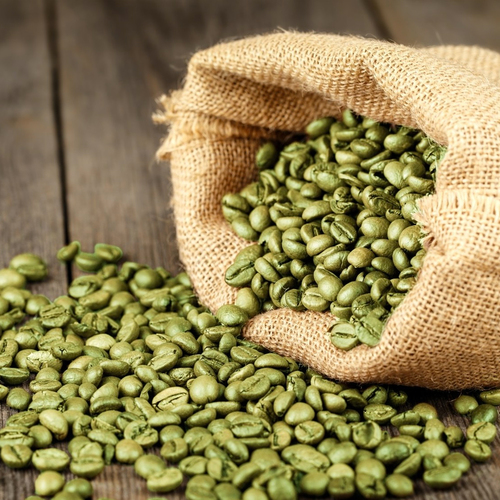
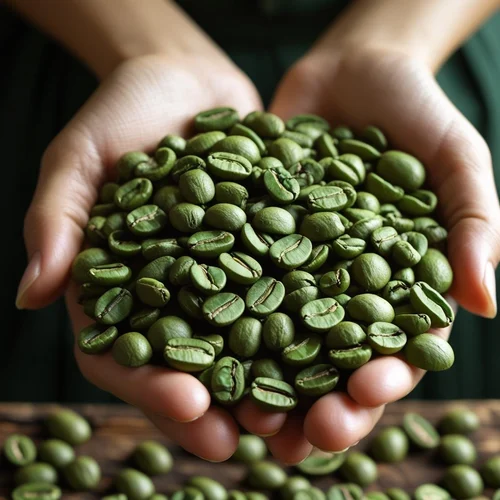
This is unroasted green coffee, Robusta and Arabica, sold to roasters who want control over their own roast profile rather than buying pre-roasted stock. The beans themselves come from Karnataka and Kerala estates, the same growing regions behind most of India's coffee output, and get consolidated, graded, and shipped out through Chennai. Chennai Port is one of the established export gateways for Indian coffee alongside New Mangalore and Cochin, and a fair number of the country's registered coffee exporters actually run their trading operations out of Chennai even though the crop itself grows further inland and to the west.
| Attribute | Details / Value | Compliance / Standard |
|---|---|---|
| Variety | Robusta or Arabica, or a specified ratio for buyers sourcing both | Origin confirmed per lot |
| Origin Estates | Coorg and Chikmagalur (Arabica), Kerala and coastal Karnataka (Robusta) | GI-tagged origins available: Coorg Arabica, Wayanad Robusta |
| Processing Method | Washed or natural (dry) processed, per lot | Specify preference at inquiry |
| Moisture Content | 10 to 12% | Coffee Board of India grading norms |
| Screen Size / Grade | AA, A, PB (Peaberry), and commercial grades available | Grading per Coffee Board standard |
| Defect Count | Confirmed per lot via Certificate of Analysis | Cupping sample available before bulk order |
| Packaging | 60kg jute bags with GrainPro liner, or vacuum-sealed for smaller lots | Protects against moisture during transit |
| HS Code | 0901.11 (International, not roasted, not decaffeinated) | WCO Harmonized System |
For a roaster, buying green rather than roasted comes down to control. You set the roast curve yourself instead of inheriting someone else's roast profile, and green beans hold their quality far longer in storage than roasted coffee does. Sourcing through a Chennai-based exporter means the trading and export documentation side of the transaction runs through a port with genuine coffee shipping infrastructure and established customs handling for this category, while the actual crop selection still draws on the growing estates in Coorg, Chikmagalur, and Kerala that have built India's reputation in specialty and commercial-grade coffee. It's a division of labor that's normal in this trade: growing happens in the hills, export logistics happens at the port.
Green coffee holds its quality in storage far longer than roasted coffee, which starts losing freshness within weeks. Roasters buying green also control their own roast profile rather than working with someone else's roast decision, which matters if you're building a specific flavor identity.
Washed processing removes the fruit pulp before drying, generally producing a cleaner, brighter cup. Natural or dry processing dries the whole cherry with the pulp still on, which tends to add more fruit-forward, heavier body character. Both are available, and the right choice depends on the flavor profile you're roasting toward.
Yes, cupping samples are standard practice in the green coffee trade and available before any bulk commitment. This lets you roast and evaluate a small batch yourself rather than relying on a written cupping note alone.
FOB works well if you already have freight contracts and want control over shipping and insurance yourself, often the more cost-effective route for repeat, high-volume buyers. CIF is simpler for a first order since freight and insurance are arranged and included, at a somewhat higher landed cost.
These refer to bean size and shape under Coffee Board grading. AA denotes larger screen-size beans, generally associated with higher quality lots, while PB, or Peaberry, refers to a naturally occurring rounder bean that forms when only one seed develops in the cherry instead of two. Neither grade alone guarantees cup quality, which is why a cupping sample still matters regardless of grade.
Connect with EXP01002 and thousands of verified Indian exporters on Navi Exports