-
-
-
-
-
-
-
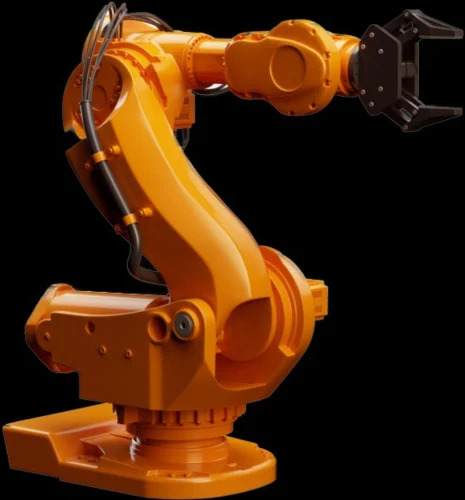
Industrial Robotics Solutions
Chennai, Tamil Nadu, India
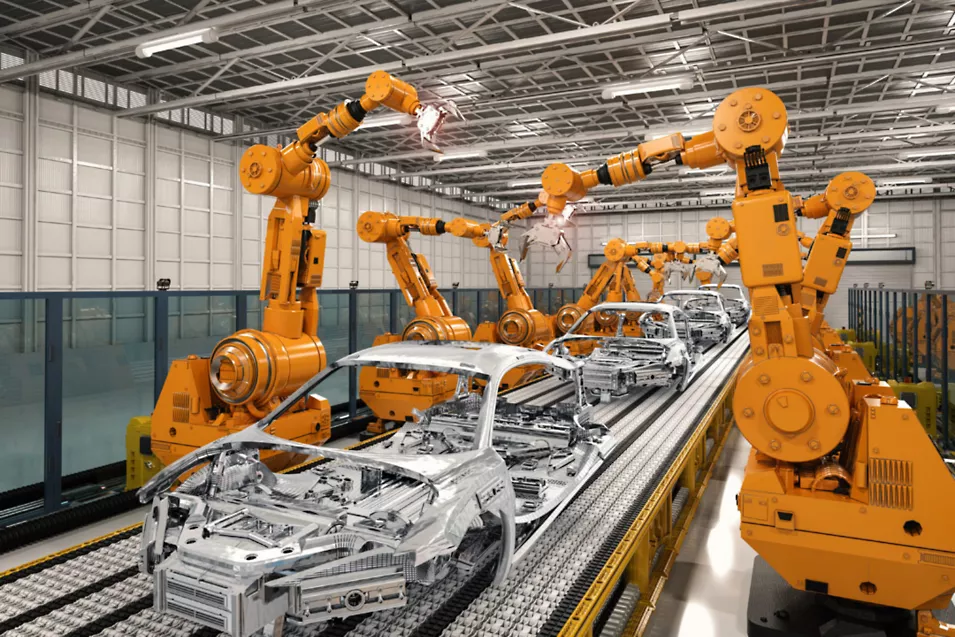
Industrial Robotics Solutions manufacturer from Chennai India offering advanced robotic automation systems for smart manufacturing applications.
Shipping Information
Exporter details revealed after verified importer registration
This covers collaborative robots (cobots), autonomous mobile robots for warehouse and intralogistics use, and system-integrated automation lines built around them, the categories where India has genuinely built competitive manufacturing and engineering strength. Worth being direct about scope: India is not yet a major global manufacturer of heavy, high-speed multi-axis industrial robot arms, the kind used in automotive welding lines, where Japanese and German manufacturers still lead by a wide margin. What Indian companies do well, and export internationally, is lighter payload cobots, mobile robotics for warehouses and logistics, and full system integration combining hardware, software, and engineering into a working automation line at a materially lower cost than building the same system through a Western integrator.
| Attribute | Details / Value | Compliance / Standard |
|---|---|---|
| Robot Types | Collaborative robots (cobots), autonomous mobile robots (AMRs), automated storage and retrieval systems (ASRS) | Specify application at inquiry |
| Payload Range | 3kg, 5kg, and 10kg standard cobot configurations | Custom payload builds available |
| Applications | CNC machine tending, material handling, inspection, dispensing, palletizing, warehouse sortation | Application-specific programming included |
| Control System | PLC-integrated with vision system options for object recognition | Siemens, Mitsubishi, or proprietary control options |
| Software Integration | Warehouse Management System (WMS) integration for mobile robotics | API-based integration with existing ERP/WMS |
| Installation Support | Remote commissioning standard, on-site optional | Travel and stay costs billed separately for on-site |
| HS Code | 8479.50 (International, industrial robots) | WCO Harmonized System, Chapter 84 |
A meaningful part of India's genuine strength here is cost combined with local engineering depth, not just cheap assembly. Systemantics in Bangalore designs and manufactures its cobots entirely in India rather than importing components for local assembly, and Addverb has built what's reportedly the world's largest mobile robot factory, backed by Reliance Industries' capital and scale. That matters for a buyer because it means genuine design and manufacturing capability sits here, not just a lower-cost labor arbitrage on someone else's design. India also remains meaningfully under-automated relative to competing manufacturing economies, which has pushed domestic robotics firms toward rugged, simplified, cost-effective systems built for exactly the kind of buyer who needs automation but can't justify a premium Western system's price point, a design philosophy that travels well to other cost-sensitive manufacturing markets internationally.
Mid-size manufacturers in automotive components, electronics assembly, and general engineering are the core buyer for cobots specifically, valuing the lower entry cost and simpler integration over the higher-speed, higher-cost systems built for large-scale automotive OEM lines. Warehouse and logistics operators, including e-commerce fulfillment and FMCG distribution, are the primary buyer for mobile robotics and ASRS systems, since this is where Indian manufacturers like Addverb and GreyOrange have built genuinely global-scale deployment experience. Pharmaceutical and food processing companies are a growing buyer segment too, particularly for inspection and handling applications where regulatory documentation and traceability matter alongside the automation itself.
Not primarily, at least not yet. That category is still dominated globally by established Japanese and German manufacturers. India's genuine manufacturing strength right now is in cobots, mobile robotics, and warehouse automation systems, which is a different, lighter-payload category better suited to different applications.
Cobots are designed to work safely alongside humans in a shared workspace, typically at lower speed and payload than traditional industrial arms, which usually operate in caged, human-excluded zones at higher speed. Cobots suit smaller manufacturers and applications like machine tending or inspection where full-speed automation isn't the priority.
Generally yes, through API-based integration, since most Indian mobile robotics providers have built their systems specifically to connect with existing WMS and ERP platforms rather than requiring a full software replacement. Confirm compatibility with your specific system version before finalizing an order.
Remote support and commissioning assistance is standard, and larger providers with global deployment experience typically offer service agreements covering software updates and troubleshooting. Ask specifically about spare parts lead time and whether support requires routing back to India or if there's regional coverage in your market.
Because India remains significantly under-automated compared to competing manufacturing economies, domestic robotics companies have specifically built toward rugged, cost-effective, simplified systems rather than premium high-speed automation. That design philosophy, built for cost-sensitive domestic demand, happens to suit similarly cost-sensitive buyers in other markets too.
Connect with EXP01003 and thousands of verified Indian exporters on Navi Exports