-
-
-
-
-
-
-
Mandarin Exporter Sweet Citrus High Brix Bulk Supply
Chennai, Tamil Nadu, India
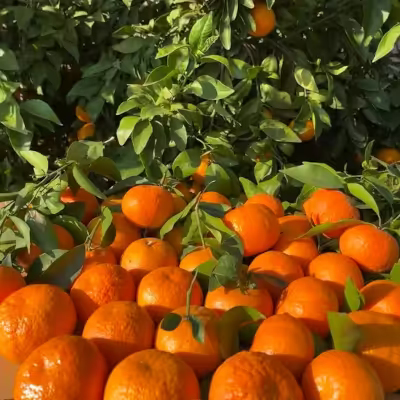
Mandarin exporter sweet citrus high brix bulk supply delivering juicy easy-peel fruits for commercial importers.
Shipping Information
Exporter details revealed after verified importer registration
Nagpur Mandarin, known locally as Santra, is a GI-tagged citrus variety with a distinctive pockmarked skin and juicy, sweet pulp, harvested in two separate crops a year rather than one continuous season. The Ambiya crop comes in September to December with a slightly sharper, more acidic profile, while the Mrig crop follows in January and carries the higher sugar content and Brix level buyers specifically ask for when they want a genuinely sweet eating orange rather than a juicing variety. India is now the world's second-largest orange exporter by shipment volume, and Bangladesh alone takes in the largest single share of that fresh citrus, with Gulf markets and a growing footprint in the US and Europe behind it.
| Attribute | Details / Value | Compliance / Standard |
|---|---|---|
| Variety | Nagpur Mandarin (Citrus reticulata), GI-tagged | GI recognition effective April 2014 |
| Crop Type | Ambiya (Sept-Dec, slightly sour) or Mrig (Jan, sweeter, higher Brix) | Specify preferred crop at order |
| Skin Characteristic | Pockmarked exterior, easy-peel loose skin | Visual grading per batch |
| Sweetness | Higher Brix in Mrig crop, confirmed per batch via Certificate of Analysis | Buyer-specified sweetness range available |
| Grading | Sorted by size and visual quality, export vs domestic grade separated | Custom size grading on request |
| Packaging | Ventilated corrugated cartons, individual fruit netting for premium grade | Bulk cartons for wholesale, retail-ready on request |
| Shelf Life | 2 to 4 weeks under proper refrigeration | Longer than most fresh fruit categories |
| HS Code | 0805.21 (International, mandarins including satsumas and tangerines) | WCO Harmonized System |
Nagpur earned its "Orange City" name honestly. The Vidarbha region around it has grown this citrus for generations, and the fruit's GI recognition ties the Santra name specifically to this origin rather than mandarin grown elsewhere in India. Here's the part worth being upfront about: the nearest export-capable packing and shipping facility for this region currently sits in Mumbai, not in Nagpur itself, which means fruit destined for distant markets travels a domestic leg before it even reaches export processing. This isn't unusual in Indian agricultural export, several categories in this catalog work the same way, but it does mean cold chain continuity from the Nagpur orchards through to Mumbai matters as much as the export handling itself.
Bangladesh is the single largest destination for Indian oranges by volume, served largely through overland and short-haul routes given the geographic proximity, and wholesale importers there buy consistently across both harvest crops. Gulf wholesale distributors, particularly in the UAE, Bahrain, and Saudi Arabia, buy steadily too, often preferring the sweeter Mrig crop specifically for retail resale where sweetness drives repeat purchase. A smaller but growing group of US and European specialty importers are entering this market as cold chain and export infrastructure improves, generally starting with smaller trial orders before committing to recurring volume given the newer trade relationship.
Ambiya is harvested September to December and has a slightly more sour, acidic profile. Mrig follows in January and is sweeter with a higher sugar content, which is usually what buyers mean when they specifically ask for high-Brix Nagpur mandarin.
The nearest export-capable packing and shipping infrastructure for this growing region is currently based in Mumbai rather than Nagpur itself. This means a domestic transit leg happens before export processing, so cold chain continuity on that leg is just as important as the export shipping that follows.
It's technically a mandarin variety (Citrus reticulata), not a standard sweet orange, which is why it has an easy-peel skin and a distinct flavor profile from what buyers might associate with a Valencia or navel orange. It's classified and traded under the mandarin heading in customs codes rather than the general orange heading.
Mainly geographic proximity, which supports shorter, lower-cost transit routes and established overland trade relationships built up over many years. This makes India's citrus, including Nagpur Mandarin, price-competitive there in a way it isn't necessarily in more distant markets requiring longer refrigerated shipping.
Yes, within the natural range the crop and harvest timing allow. The Mrig crop generally delivers higher Brix than Ambiya, and a Certificate of Analysis can confirm the actual sweetness reading for a specific batch before you commit to the full order.
Connect with EXP01002 and thousands of verified Indian exporters on Navi Exports