-
-
-
-
-
-
-
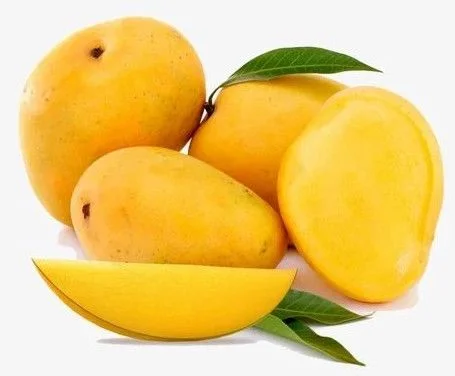
Mango Exporter High Brix 20 Percent Premium Bulk
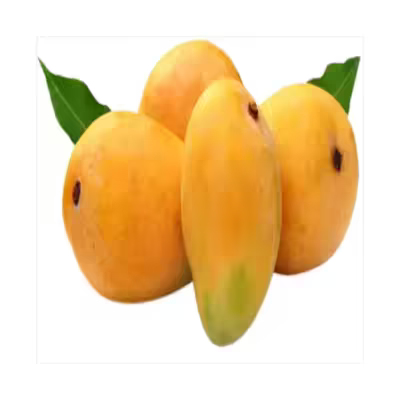
Mumbai, Maharashtra, India
Mango exporter high brix 20 percent premium bulk delivering sweet export-grade mangoes for high-value fruit buyers.
Shipping Information
Exporter details revealed after verified importer registration
Gir Kesar carries a Brix level of 20 to 24%, among the highest of any commercially exported Indian mango variety, with a deep saffron-orange pulp that earned the fruit its name in 1934 when a local ruler compared its color to actual saffron. What separates Kesar from Alphonso for a bulk buyer isn't just sweetness, it's shelf life. Kesar generally holds up 15 or more days post-harvest, extendable further with proper modified-atmosphere packaging, which makes cost-effective reefer sea freight a genuine option here in a way it largely isn't for the shorter-lived Alphonso. That's the practical reason large-volume mango buyers often build their bulk program around Kesar rather than the more famous variety.
| Attribute | Details / Value | Compliance / Standard |
|---|---|---|
| Variety | Gir Kesar (GI-tagged, Junagadh/Talala/Gir region) | GI Tag granted 2011 |
| Brix Level | 20 to 24% | Confirmed via Certificate of Analysis per batch |
| Pulp Characteristic | Deep orange/saffron color, smooth texture, minimal fiber | Naturally ripened, no carbide |
| Shelf Life | 15+ days standard, extendable to 35+ days with AMAP/CAP packaging | Enables cost-effective sea freight for bulk orders |
| Treatment | Gamma irradiation (US market) or Hot Water/Vapor Heat Treatment (other markets) | APEDA-approved facility, per destination requirement |
| Packaging | 3.5kg and 5kg export master cartons | Custom carton sizing available |
| Harvest Season | Mid-April to June, peak in May | Order allocation recommended March-April |
| HS Code | 0804.50 (International) / 08045020 (India ITC-HS) | WCO Harmonized System |
The laterite, calcium-rich soil around the Girnar hills, combined with the microclimate created by the nearby Arabian Sea and the edge of Gir forest, is what actually produces Kesar's characteristic sweetness and aroma, not a processing technique or a marketing claim. The GI tag granted in 2011 legally restricts the Gir Kesar name to mangoes grown in this specific Saurashtra region, which matters to a bulk buyer the same way it matters for Alphonso: it separates a verified, documented origin from a generic "Kesar-style" mango that might be grown and priced very differently elsewhere. Gujarat's export infrastructure around Junagadh has also scaled specifically to handle bulk reefer shipment, not just small air-freight lots, which is a meaningful difference from regions built primarily around premium, lower-volume air cargo.
Middle Eastern wholesale importers, especially in the UAE, are a major buyer group for Kesar specifically, often preferring it over early-season Alphonso once Kesar's season opens, given its strong sweetness and better cost-per-kilogram at bulk reefer volume. Large-volume US distributors serving retail chains and foodservice, rather than only the premium diaspora specialty market Alphonso targets, are a growing buyer segment here too, drawn by the more favorable economics of sea freight over air. Juice and pulp processors are a distinct buyer category as well, valuing Kesar's high Brix and rich color specifically for processed products where sweetness and color carry through into the final output.
Kesar's longer shelf life, 15+ days standard and extendable further with modified-atmosphere packaging, makes cost-effective reefer sea freight viable at real bulk volume. Alphonso's much shorter shelf life essentially requires air freight, which caps practical order size and adds significant cost per kilogram at scale.
It legally restricts the name "Gir Kesar" to mango grown specifically in the designated Saurashtra region of Gujarat, verified and protected the same way a regional origin name is protected in other countries. A mango grown elsewhere in India, even a genuine Kesar variety tree, cannot legally be marketed under the Gir Kesar name without that documented origin.
Both neutralize quarantine pests but are required by different destination markets, the US mandates gamma irradiation specifically, while markets like the UAE typically require Hot Water or Vapor Heat Treatment instead. Using the wrong treatment for your destination market's requirement causes a customs rejection, so this needs to be confirmed before the shipment is treated, not after.
Standard post-harvest shelf life for Kesar runs about 15 days. With Active Modified Atmosphere Packaging or Controlled Atmosphere Packaging applied during cold storage and container loading, that window can extend to 35 or more days, which is what makes longer sea freight routes genuinely workable for this variety.
March or April, ahead of the season's mid-April opening, is the standard window for securing volume allocation and forward contracts. By late May, when peak season demand hits, both fruit availability and treatment facility capacity become significantly more competitive.
Connect with EXP01002 and thousands of verified Indian exporters on Navi Exports