-
-
-
-
-
-
-
Namkeen Savory Snacks
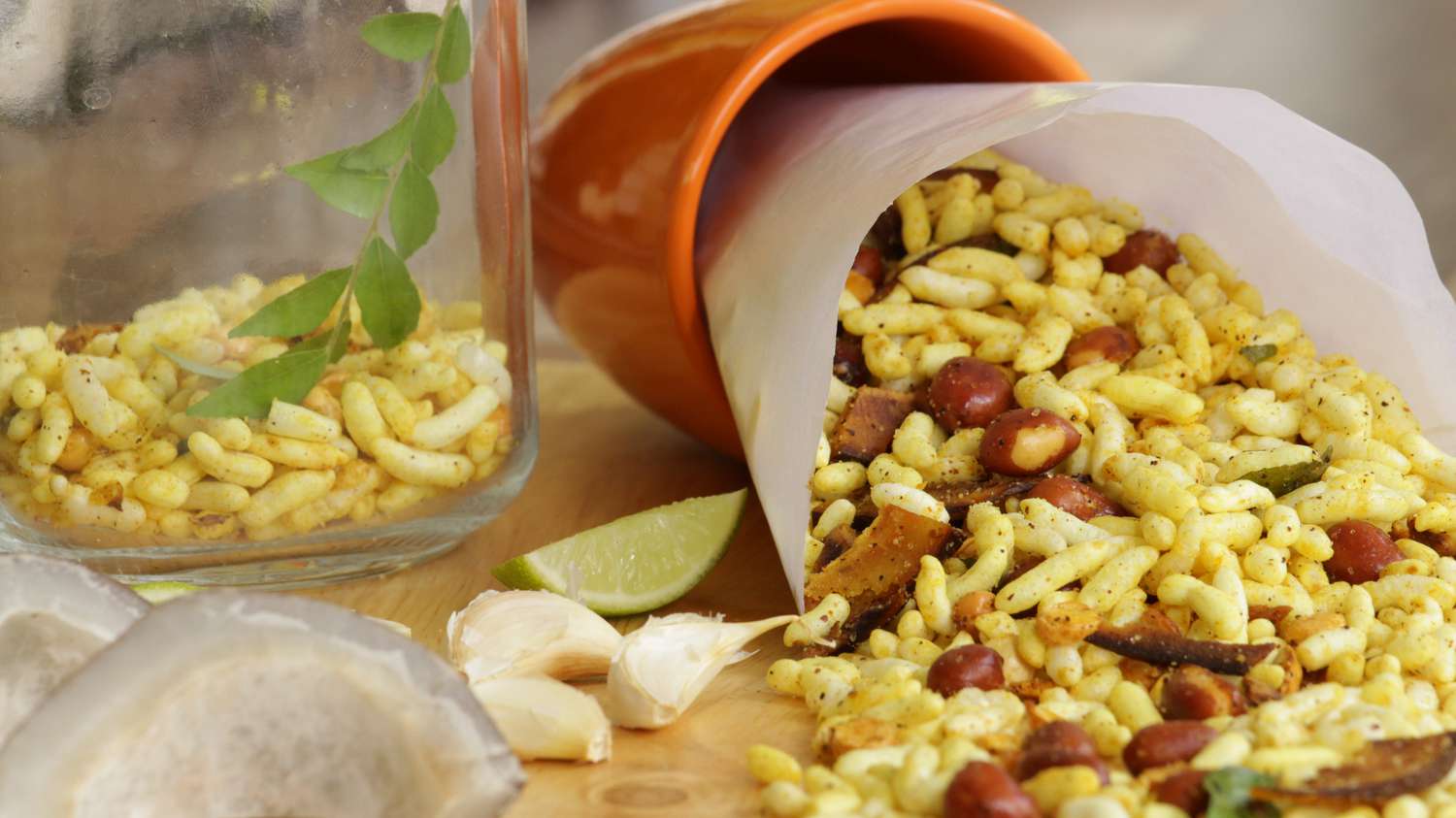
Lucknow, Uttar Pradesh, India
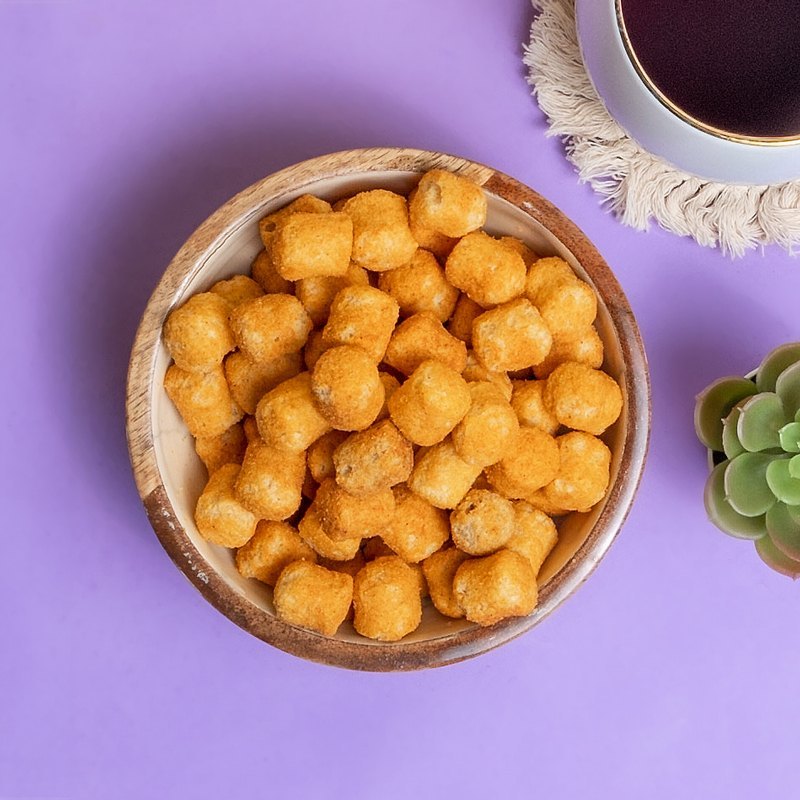
Processed savory snacks and namkeen products suitable for packaged snack markets and export supply.
Quantity & Pricing
| Quantity Range | Unit Type | Price Range |
|---|---|---|
| 100-500 | kg | 200 |
Shipping Information
Exporter details revealed after verified importer registration
Namkeen and savory snacks cover India's traditional fried and roasted salty snack category, sev, bhujia, mixture, chana dal namkeen, and regional specialties, made from gram flour, lentils, rice, and spice blends. Lucknow sits within Uttar Pradesh's established namkeen manufacturing belt alongside Kanpur, home to a genuine cluster of namkeen producers supplying both domestic retail and export markets. For packaged snack brands, wholesale distributors, and international grocery importers, this offers a proven category of Indian snacks with the recipe authenticity, hygienic processing, and food safety documentation export buyers need.
| Attribute | Details / Value |
|---|---|
| Product Types | Sev, bhujia, mixture namkeen, chana dal, dal moth, regional specialties, specify per order |
| Base Ingredients | Gram flour (besan), lentils, rice flour, potato, peanuts, spices |
| Processing Type | Fried or baked, specify per product line |
| Taste Profile | Salty, spicy, tangy, sweet-savory mix, specify per SKU |
| Shelf Life | 3-6 months, depending on product type and packaging |
| Texture | Crunchy, crisp |
| Packaging Sizes | 25g, 50g, 100g, 200g, 400g retail packs, bulk packs available |
| Storage Requirement | Cool, dry place, airtight packaging |
| HS Code | 2106.90 (food preparations not elsewhere specified), confirm with CHA |
Fried namkeen delivers the classic taste and texture most consumers associate with the category, and it remains the standard for legacy recipes like bhujia and traditional mixture. Buyers targeting the mainstream Indian grocery and diaspora retail market generally default to fried product, since it's what the category is known for.
Baked namkeen appeals to health-conscious retail segments and buyers marketing lower-fat snack alternatives, a growing niche as packaged snack buyers increasingly check nutrition labels. The tradeoff is a different texture and sometimes a shorter shelf life than fried product, so buyers should confirm which their target retail channel actually prioritizes before committing a full order to baked SKUs.
Uttar Pradesh's namkeen manufacturing belt, spanning Lucknow and Kanpur, has produced this category at scale for generations, giving the region deep recipe knowledge and established production infrastructure for both traditional and modern packaged snack formats. This concentration of manufacturers supports competitive production cost alongside recipe authenticity that newer entrants in other regions haven't built up the same track record for. Lucknow's road and rail connectivity supports distribution to major Indian ports for export shipment.
Retail packs in 25g, 50g, 100g, 200g, and 400g formats, typically in metallized or laminated pouches for freshness retention. Bulk packing in 20kg cartons for foodservice and repacking buyers. Custom branding and private label packaging available for buyers building their own snack line.
FSSAI license for food processing and packaging, quality and hygiene compliance documentation, Certificate of Origin, shelf life and nutritional test reports available on request. Halal certification available where applicable.
Common export categories include sev, bhujia, mixture namkeen, chana dal, and various regional specialties, made from gram flour, lentils, rice, and spice blends. Product mix can be customized based on the target market's flavor preferences.
Fried namkeen delivers the traditional taste and texture most associated with the category and suits mainstream Indian grocery retail. Baked namkeen appeals to health-conscious retail segments looking for lower-fat alternatives, though it has a different texture and sometimes shorter shelf life.
Retail packs are available in 25g, 50g, 100g, 200g, and 400g formats, typically in metallized or laminated pouches for freshness. Bulk 20kg cartons are available for foodservice and repacking buyers, with custom branding available for both formats.
Shelf life typically runs 3-6 months depending on the specific product and packaging format, with fried products in sealed, moisture-protective packaging generally holding at the longer end of that range.
Namkeen and savory snacks generally fall under HS code 2106.90, covering food preparations not elsewhere specified. Confirm the exact classification with your customs broker, since specific ingredients or processing methods can affect the precise code.
Connect with EXP01002 and thousands of verified Indian exporters on Navi Exports