
-
-
-
-
-
-
-
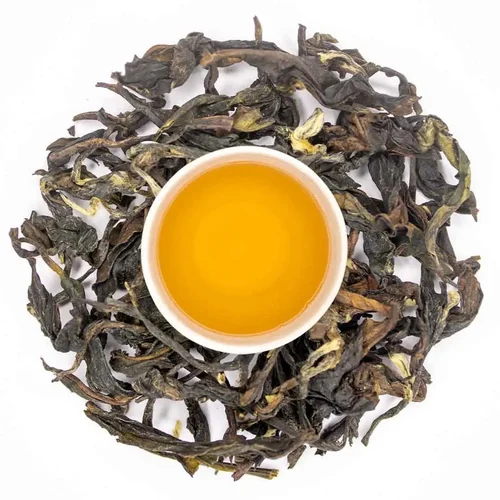
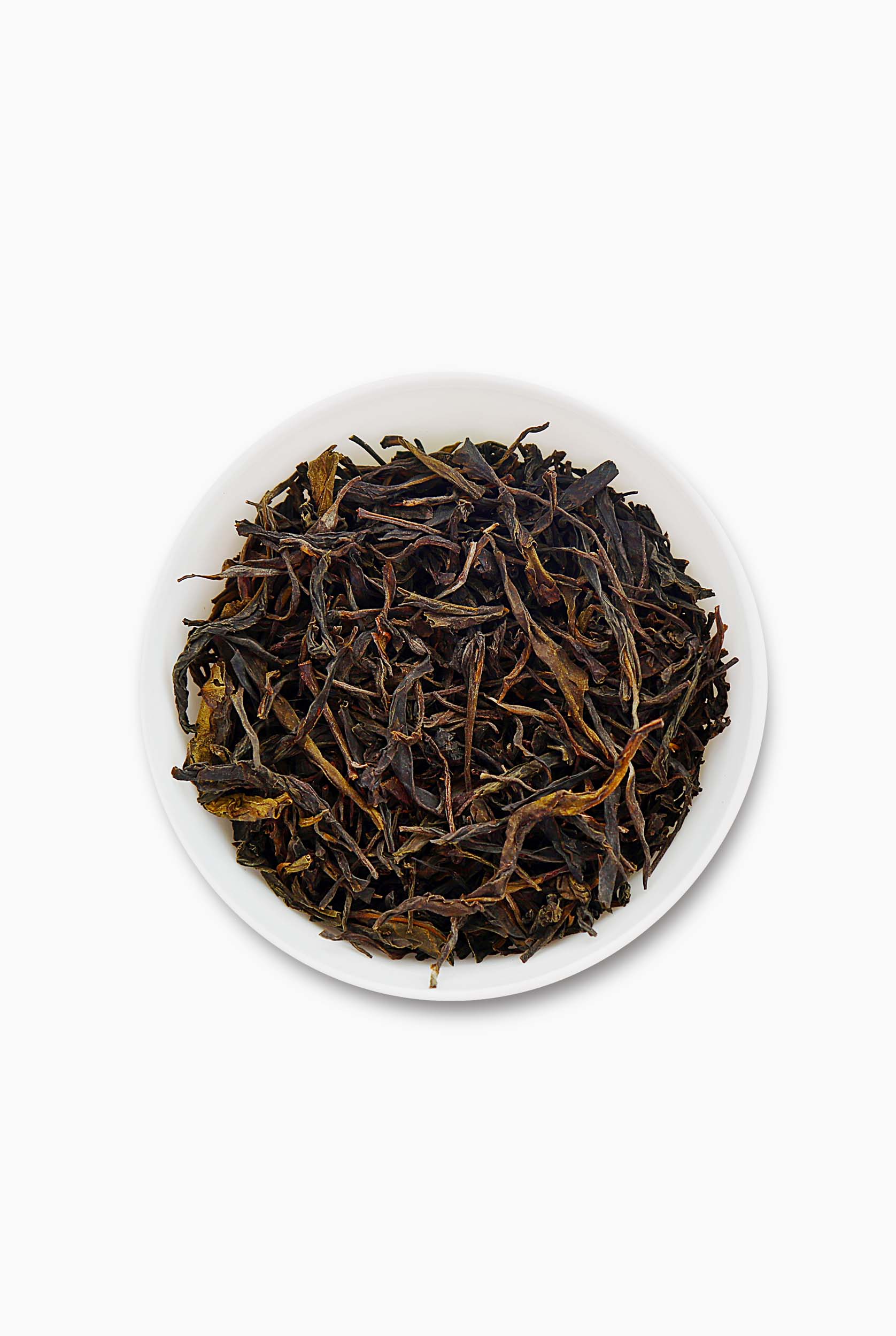
Organic Oolong Tea
Howrah, West Bengal, India
Premium organic oolong tea for rich aroma and natural antioxidants.
Shipping Information
Exporter details revealed after verified importer registration
Organic oolong tea is a partially oxidised tea made from Camellia sinensis leaves, processed to an oxidation level between 15% and 85% - placing it between green tea and black tea in both flavour profile and processing method. India is the world's second-largest tea exporter by volume, recording 280.40 million kg exported in 2025 and export earnings crossing USD 923 million. Within India's premium and specialty tea segment, Darjeeling and the Nilgiris are the two credible origins for oolong production. Darjeeling has approximately 62 of its 87 Tea Board-recognised gardens operating under organic certification, with some gardens having maintained that status for over 30 years - the longest-running organic certification track record in Indian tea. For B2B buyers sourcing for specialty tea retail, health and wellness brands, foodservice distributors, or private label tea lines in Germany, the US, UK, and Japan - the four largest markets for premium Indian tea - Indian organic oolong offers certified origin traceability and well-established compliance documentation for EU and US import requirements.
| Attribute | Details / Value |
|---|---|
| Tea Type | Oolong (partially oxidised) - Camellia sinensis |
| Origin | Darjeeling, West Bengal / Nilgiri, Tamil Nadu - specify at order stage |
| Oxidation Level | 25-40% (lighter, floral style) or 60-75% (darker, roasted style) - specify |
| Flush | First flush (spring), second flush (summer), autumn flush available by season |
| Form | Loose leaf whole leaf / rolled leaf; tea bag grade available |
| Organic Certification | NPOP (India organic), NOP (USDA organic for US buyers), EU Organic on request |
| Moisture Content | Max. 6% |
| Total Ash | Max. 8% |
| Pesticide Residues | EU MRL compliant; third-party lab reports per lot |
| Shelf Life | 24 months in sealed, airtight packaging away from light and moisture |
| HS Code | 0902.10 (green tea, not fermented) - confirm classification with CHA; some authorities use 0902.40 |
Ordering "oolong" without specifying oxidation level is like ordering wine without specifying the grape. Lightly oxidised oolong (20-40%) has a floral, vegetal character closer to green tea - the style produced in Darjeeling's first flush, sought by Japanese-influenced specialty tea buyers and premium retail customers. Heavily oxidised oolong (60-80%) has a richer, roasted, honey-like profile closer to black tea - more common in Nilgiri production and what foodservice and blending buyers typically use. The two styles need different brewing parameters, appeal to different end consumers, and should not be substituted for each other. Specify the oxidation range on your purchase order. If the supplier cannot discuss oxidation levels with you, they are probably selling a generic product labelled "oolong" without controlled processing.
Indian tea is harvested in flushes - seasonal picking windows that produce distinct flavour profiles. First flush (March-April) gives the most delicate, aromatic oolong with lighter oxidation character - highest per-kg price, shortest availability window. Second flush (May-June) is fuller-bodied with more developed sweetness, often the most commercially balanced for specialty retail. Autumn flush (October-November) is lower volume, earthier, and suited to blending applications. Buyers sourcing for branded retail lines should specify the flush at the time of order and build ordering timelines around the harvest calendar - not around when stock runs out.
Darjeeling's organic gardens have been certified for over 30 years in some cases - this is not recent greenwashing. Approximately 62 of Darjeeling's 87 Tea Board-recognised gardens now hold organic certification. For buyers supplying EU markets, this matters more in 2026 than it did two years ago. Stricter EU Maximum Residue Limits (MRLs) rolling out through 2026 threaten compliance for non-certified Indian tea, with APEDA estimating the impact at over 40 million kg of exports. Certified organic tea from Darjeeling or Nilgiri gardens with third-party pesticide testing is not at risk from these tightening limits - the organic farming standard already exceeds what the new MRL thresholds require. For EU buyers, requesting organic-certified Indian oolong with per-lot third-party lab reports is the straightforward way to insulate your supply chain from the MRL risk that is currently disrupting conventional tea procurement from India.
Loose leaf in foil-laminated multi-layer bags (250g, 500g, 1 kg retail); 25 kg multi-wall foil-lined kraft sacks for bulk buyers and blenders. Tin caddy and glass jar retail packaging for premium private label. Tea bag grade (cut and sifted) available for buyers producing tea bags. Nitrogen-flushed vacuum sealing standard for whole leaf export grades. Custom private label packaging on request.
NPOP (National Programme for Organic Production - India organic), USDA NOP for US buyers, EU Organic Regulation (EU) 2018/848 on request. Tea Board of India export licence, APEDA certification, HACCP, Fairtrade on request from participating gardens. Per-lot third-party pesticide residue and heavy metal lab reports. Phytosanitary Certificate on each consignment.
Oolong is partially oxidised and does not fit neatly into either 0902.10 (green, not fermented) or 0902.30/0902.40 (black, fermented). Most customs authorities classify oolong under 0902.10, but practices vary by country. Confirm the correct classification with your customs broker before your first shipment - misclassification affects duty rates and can delay clearance.
Taiwan and China are the traditional oolong origins with centuries of processing craft behind specific styles like Dong Ding, Tie Guan Yin, and Da Hong Pao. Indian oolong, particularly from Darjeeling, is a different style - lighter in oxidation, with the floral muscatel character that Darjeeling's terroir produces and that no other origin replicates. It is not a substitute for Taiwanese oolong. It is a distinct product with its own tasting profile, which is exactly why German, Japanese, and US specialty buyers source both. For B2B buyers building a specialty tea range, Darjeeling oolong adds a GI-certified Indian origin alongside Chinese and Taiwanese varieties.
For EU import, suppliers need EU Organic certification under Regulation (EU) 2018/848. India's NPOP programme has EU equivalency recognition, which means NPOP-certified tea can enter the EU under organic labelling. For the US, USDA NOP certification is required. Some Darjeeling gardens hold both NPOP and NOP simultaneously. Confirm which certification your buyer's country requires before placing the order - the certifications are not automatically interchangeable in all markets.
For specialty retail and loose leaf: specify origin (Darjeeling or Nilgiri), flush (first, second, autumn), oxidation range (light 20-40% or dark 60-75%), and whether you need whole leaf or fannings grade. For foodservice and tea bag manufacturing: tea bag grade cut and sifted oolong with consistent particle size and moisture specs. For private label: confirm packaging format, shelf life requirement, and certification documentation at the time of order rather than after production begins.
15-25 days for available in-season stock. 25-40 days if you require a specific garden lot or flush that needs to be sourced and processed to order. Sea freight from Kolkata or Chennai to US East Coast runs 22-28 days; to Rotterdam around 20-24 days. Darjeeling first flush in particular has a very short availability window - buyers who need it should place orders in February-March, not after the flush closes.
Connect with EXP01003 and thousands of verified Indian exporters on Navi Exports