-
-
-
-
-
-
-
Organic Vegetable Seed Varieties
Bengaluru, Karnataka, India
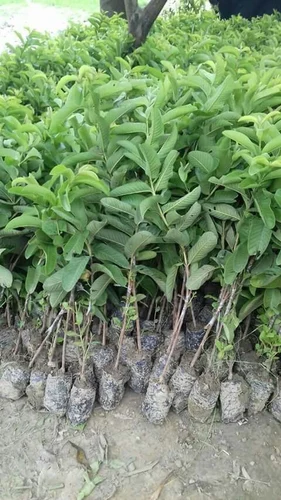
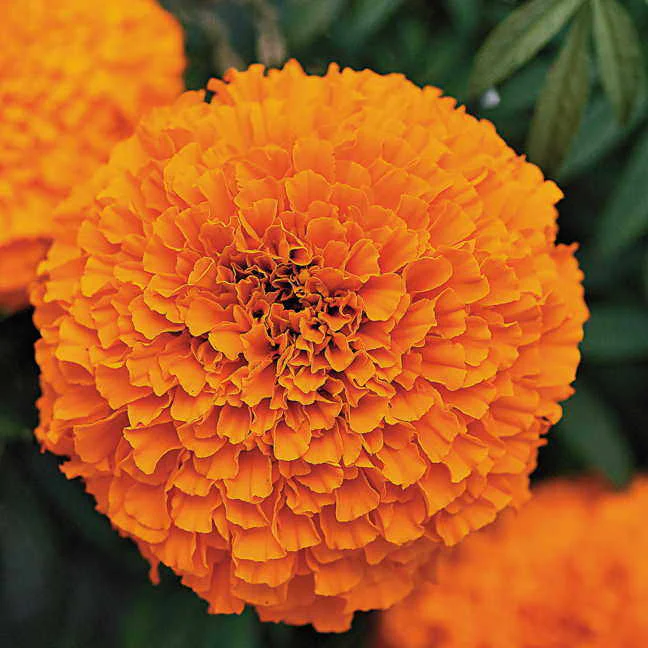
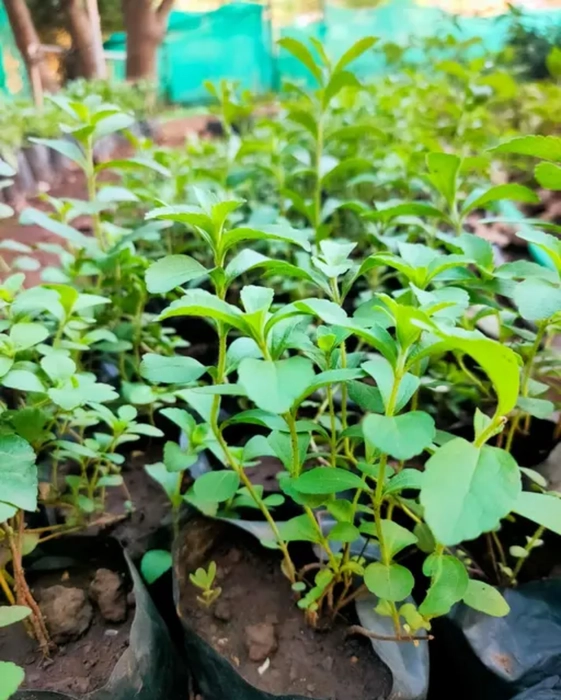
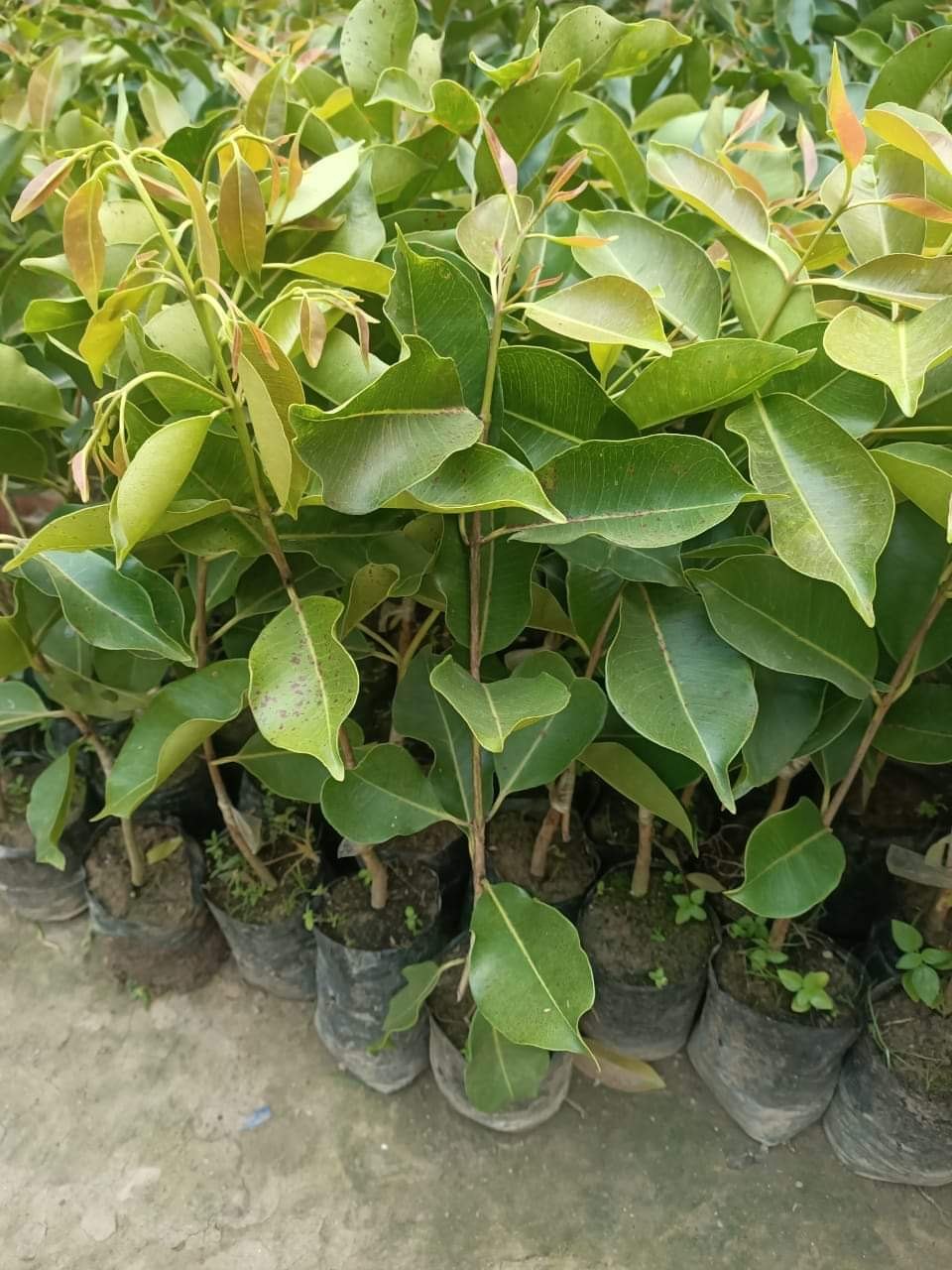
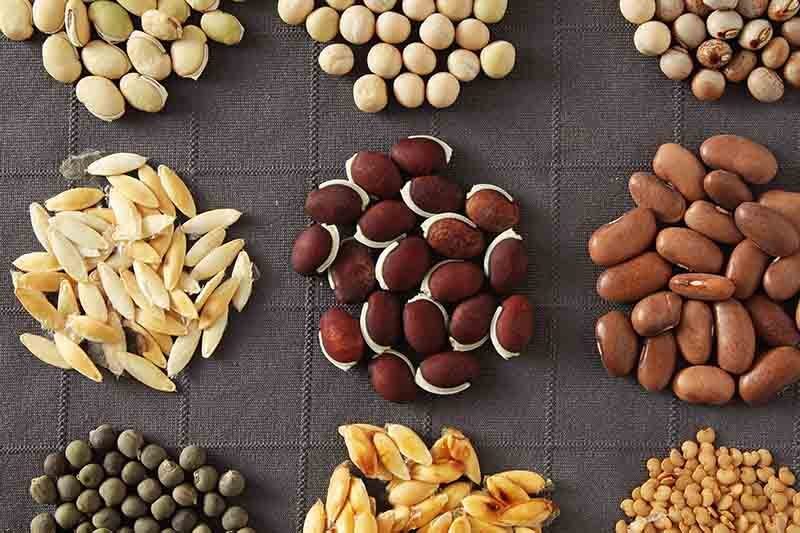
A curated range of organic vegetable seed varieties suitable for natural farming and residue-conscious cultivation. Selected for quality germination, purity, and multi-crop growing needs.
Shipping Information
Exporter details revealed after verified importer registration
These are vegetable seeds grown under certified organic conditions, meaning no synthetic pesticides, herbicides, or chemical fertilizers touched the parent crop during its three-year conversion period. Tomato, chili, okra, cucumber, and other vegetable varieties, tested for germination rate and genetic purity before they're packed for export. India's range of growing climates, from Maharashtra's plains to Karnataka's seed-production belts, lets growers multiply seed year-round rather than waiting on a single season, which is part of why global seed companies and distributors source from here rather than growing everything themselves.
| Attribute | Details / Value | Compliance / Standard |
|---|---|---|
| Certification | NPOP organic certification (India's national organic standard) | EU-recognized equivalency |
| Germination Rate | Minimum 85 to 90% depending on variety | ISTA testing protocol |
| Moisture Content | Below 8 to 10% depending on seed type | Confirmed via lab test at packing |
| Genetic Purity | Confirmed against parent line, minimum 98% | ISTA / OECD Seed Scheme protocol |
| Available Varieties | Tomato, chili, okra, cucumber, bottle gourd, brinjal, and more | Specify variety at inquiry |
| Packaging | Moisture-resistant, hermetically sealed packs, 100g to 25kg | Custom pack sizes for distributors |
| Storage Condition | Recommended 10 to 15°C, relative humidity below 50% | Maintains viability in transit |
| HS Code | 1209.91 (International) / 12099190 (India ITC-HS) | WCO Harmonized System |
Maharashtra, Karnataka, Gujarat, and Rajasthan carry the largest share of India's organic-certified agricultural area, and vegetable seed multiplication sits alongside that same organic farming base. The bigger draw for international seed buyers, though, is timing. India's growing seasons run opposite or offset from much of the Northern Hemisphere, which lets seed companies multiply a variety here during their own off-season and have stock ready when their domestic growing season starts. That's a logistics advantage as much as a cost one. Buyers aren't just getting a cheaper seed, they're closing a seasonal supply gap they can't close by growing everything in one hemisphere.
Not directly. NPOP has recognized equivalency with the EU's organic standard, but not with the US NOP (National Organic Program). Buyers importing into the US typically need seed certified separately under USDA-accredited certification, which is a different process from standard NPOP certification.
India's growing seasons run offset from much of the Northern Hemisphere, so seed can be multiplied here during a buyer's own off-season. That means stock is ready in time for the buyer's next planting season rather than competing for the same narrow growing window everyone else is using.
Seed quality is selected and processed for germination viability and genetic purity, tested against a minimum germination rate before sale. Food-grade product is selected for taste, size, and shelf appeal instead, and generally won't germinate reliably even if it looks the same as a seed lot.
Seeds are dried to a controlled moisture level before packing and sealed in moisture-resistant packaging. Recommended storage during transit is a cool, dry environment, roughly 10 to 15°C with relative humidity kept below 50%, to avoid premature germination loss.
Yes, since seeds carry a higher quarantine risk than most agricultural products and nearly every destination country requires phytosanitary clearance for seed imports. This confirms the lot is free of pests and plant diseases that could affect the buyer's local crops.
Connect with EXP01002 and thousands of verified Indian exporters on Navi Exports