Bengaluru, Karnataka, India
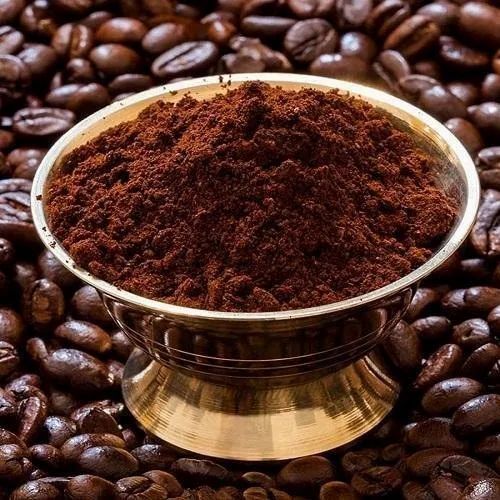
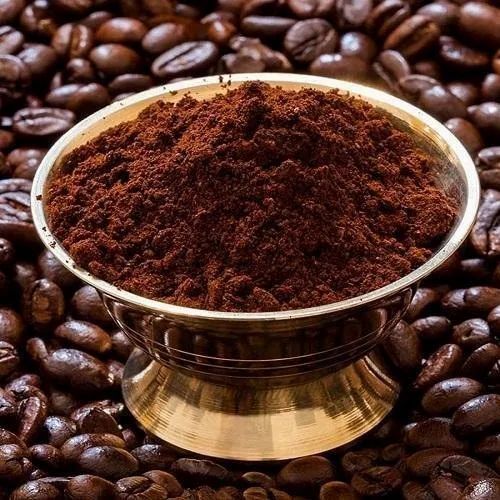
Premium coffee exporter India supplying high grade coffee beans to global specialty coffee markets.
Shipping Information
Exporter details revealed after verified importer registration
This is coffee sold above commercial grade, Plantation AA and specialty lots scoring 80 or higher on the SCA's 100-point scale, sourced from India's GI-tagged growing regions rather than blended commercial stock. Bengaluru is where this business actually runs from in India. The Coffee Board's headquarters and its main cupping and testing labs sit here, and most of the country's specialty roasters and exporters are based in the city too, close enough to the Coorg and Chikmagalur estates for same-day sample runs but set up with the export infrastructure a premium buyer actually needs. Buyers here are paying for a documented origin, a cupping score, and consistency lot to lot, not a bulk commodity price.
| Attribute | Details / Value | Compliance / Standard |
|---|---|---|
| Grade Tier | Premium (Plantation AA, Parchment A) or Specialty (SCA 80+) | Coffee Board grading standard |
| Cupping Score | 80 to 90+ depending on lot, documented per batch | SCA 100-point scale, third-party cupping available |
| Signature Grades Available | Mysore Nuggets Extra Bold (Arabica), Robusta Kaapi Royale, Monsooned Malabar AA | India-specific specialty grades |
| Origin | Coorg, Chikmagalur, Araku Valley, Wayanad, Bababudangiris | GI-tagged growing regions |
| Defect Tolerance | Zero primary defects, max 5 secondary defects per 350g for specialty grade | SCA specialty coffee standard |
| Processing Method | Washed, natural, or monsooned (for Malabar-style lots) | Documented per lot |
| Packaging | GrainPro-lined jute bags for bulk, vacuum-sealed for specialty micro-lots | Preserves cup quality in transit |
| HS Code | 0901.11 (green) or 0901.21 (roasted), not decaffeinated | WCO Harmonized System |
India holds GI recognition on five regional coffees, Coorg Arabica, Wayanad Robusta, Chikmagalur Arabica, Araku Valley Arabica, and Bababudangiris Arabica, plus Monsooned Malabar as its own protected specialty coffee. A GI tag is a legal guarantee the coffee actually came from where the label says, not a marketing claim, and that distinction matters more to a specialty buyer than a commodity one. Bengaluru sits at the center of verifying it. Coffee Board testing labs here issue the quality certificates premium buyers ask for, and the city's specialty roasters and exporters built their reputations on getting cupping scores and origin documentation right consistently, across many harvests, not just one good year.
Specialty roasters building a single-origin lineup are the core buyer here, since a documented cupping score and GI-verified origin are exactly what they need to justify a premium shelf price to their own customers. Premium retail chains and gourmet grocery brands buy Plantation AA and Mysore Nuggets for private-label ranges where cup quality has to be consistent bag to bag. Espresso-focused café chains outside India increasingly look to Fine Robusta grades like Kaapi Royale specifically, since a bold, low-astringency Robusta with real crema performance is harder to source well than most buyers expect.
Premium grade, like Plantation AA, is defined mainly by bean size and low defect count. Specialty grade adds a cupping requirement on top of that, a documented SCA score of 80 or higher with zero primary defects, meaning the coffee has been evaluated for actual flavor quality, not just physical grading.
A Geographical Indication tag is a legal designation tying the name to coffee genuinely grown in that specific region, verified and enforced rather than self-declared by a seller. A bag labeled Coorg Arabica without GI backing could technically be blended from elsewhere, which is exactly the gap the tag closes.
Yes, though it took longer for the industry to recognize it. Fine Robusta grading exists specifically for this, and India's Robusta Kaapi Royale and Wayanad Robustas have earned recognition on their own cup quality rather than being treated only as a cheaper Arabica substitute.
Yes, third-party cupping and inspection through services like SGS or Intertek is available for buyers who want independent verification rather than relying on the exporter's own score. This is common practice for specialty lots given the price premium attached to the grade.
Substantially more, and it scales with score. Commercial Robusta trades close to commodity pricing, premium Arabica AA carries a moderate premium, and SCA 85+ specialty lots can price considerably higher still, with organic-certified specialty coffee at the top of that range. Exact pricing is confirmed per lot given how much cupping score and harvest availability move it.
Connect with EXP01002 and thousands of verified Indian exporters on Navi Exports