-
-
-
-
-
-
-
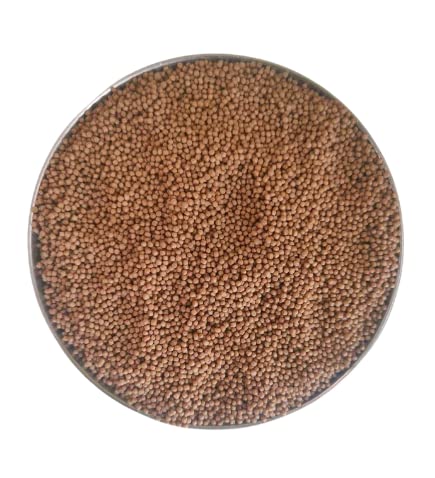
Protein-Rich Fish Feed
Faridabad, Haryana, India
Protein-rich feed for healthy and fast-growing fish in aquaculture.
Shipping Information
Exporter details revealed after verified importer registration
Protein-rich fish feed is formulated with elevated protein content, typically 30-45% depending on species and growth stage, to support faster growth rates and better feed conversion ratios in intensive aquaculture operations compared to standard maintenance-level feed. Faridabad has an established fish feed supply base serving both domestic aquaculture and export markets, with manufacturing infrastructure built around the extrusion processes high-protein floating and sinking pellets require. For fish farms, hatcheries, and aquaculture distributors internationally, this means access to properly formulated high-protein feed backed by the nutritional documentation international bulk buyers require.
| Attribute | Details / Value |
|---|---|
| Species Formulation | Carp, tilapia, catfish, shrimp, specify per target species |
| Feed Stage | Starter (fry), grower, finisher, broodstock, specify per production stage |
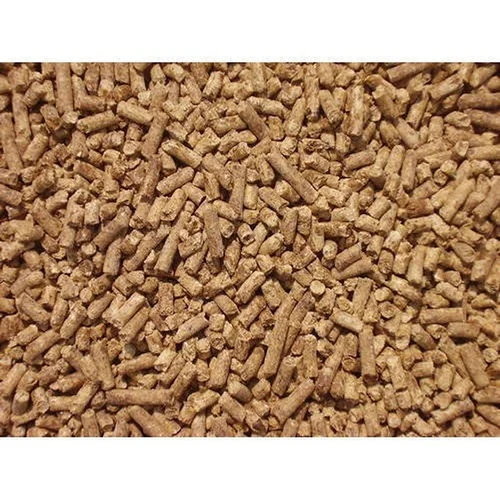
| Form | Extruded floating pellets or sinking pellets, specify per species feeding behavior |
| Crude Protein Content | 30-45%, high-protein formulation, specify exact target per species and stage |
| Fat Content | Formulated per species energy requirement, specify per order |
| Amino Acid Profile | Balanced essential amino acids (lysine, methionine) for optimal protein utilization |
| Pellet Size | 0.5mm-8mm+, specify per species and growth stage |
| Water Stability | Formulated for extended water stability without disintegration, specify per application |
| Moisture Content | Max. 10% |
| Packaging | 25kg, 50kg export bags, bulk bags available |
| HS Code | 2309.90 (preparations for animal feeding, including fish feed), confirm with CHA |
Two feeds with identical crude protein percentages can perform very differently if their essential amino acid profiles, particularly lysine and methionine, aren't balanced for the target species' actual requirements. High protein content from a poorly balanced source doesn't convert to growth as efficiently as a lower percentage from a well-formulated amino acid profile, so buyers should ask for the amino acid breakdown alongside the headline protein percentage rather than treating protein content as the only quality marker.
Carnivorous and omnivorous species like certain catfish and shrimp generally need higher protein levels (toward the 40-45% range) than herbivorous or omnivorous carp species, which often perform well on lower protein formulations without added cost. Starter feed for fry also typically needs higher protein than grower or finisher feed for more mature stock. Specify your target species and current growth stage before ordering rather than defaulting to the highest available protein percentage, since overpaying for unnecessary protein doesn't improve outcomes and adds cost.
Faridabad's established fish feed manufacturing base has built extrusion processing infrastructure specifically suited to high-protein floating and sinking pellet production, supporting both domestic aquaculture demand and export supply. This existing specialization gives buyers access to formulation expertise built around the technical challenges of high-protein feed, maintaining pellet integrity and water stability at higher protein and fat inclusion levels, which is more difficult to achieve consistently than standard-protein formulations.
25kg and 50kg export bags (woven PP with inner liner or moisture-barrier lining) standard for bulk industrial orders. Bulk bag (jumbo bag) options available for very large volume orders. Custom branding available for buyers building their own aquaculture feed distribution line.
Feed quality and nutritional composition Certificate of Analysis per batch, including protein and amino acid profile, phytosanitary certificate where required by destination country, Certificate of Origin, ISO certification for manufacturing facility where applicable.
Not necessarily. Protein needs vary significantly by species and growth stage, and amino acid balance matters as much as the total protein percentage. Overpaying for higher protein than your target species and stage actually requires doesn't improve outcomes and adds unnecessary cost.
Shrimp and other carnivorous or omnivorous species generally need higher protein, often 40-45%, while herbivorous or omnivorous carp species often perform well on lower protein formulations. Specify your target species and growth stage before ordering.
Yes, two feeds with identical crude protein percentages can perform very differently depending on their essential amino acid balance, particularly lysine and methionine. Request the full amino acid breakdown, not just the headline protein figure, when evaluating feed quality.
MOQ varies based on species formulation, protein level, and packaging specification. Confirm the current minimum for your specific requirement directly.
Preparations used in animal feeding, including fish and aquaculture feed, generally fall under HS code 2309.90. Confirm the exact classification with your customs broker, since specific ingredient composition can affect the precise code.
Connect with EXP01003 and thousands of verified Indian exporters on Navi Exports