-
-
-
-
-
-
-
Textile Machinery Supplier with Automation Features
Lucknow, Uttar Pradesh, India
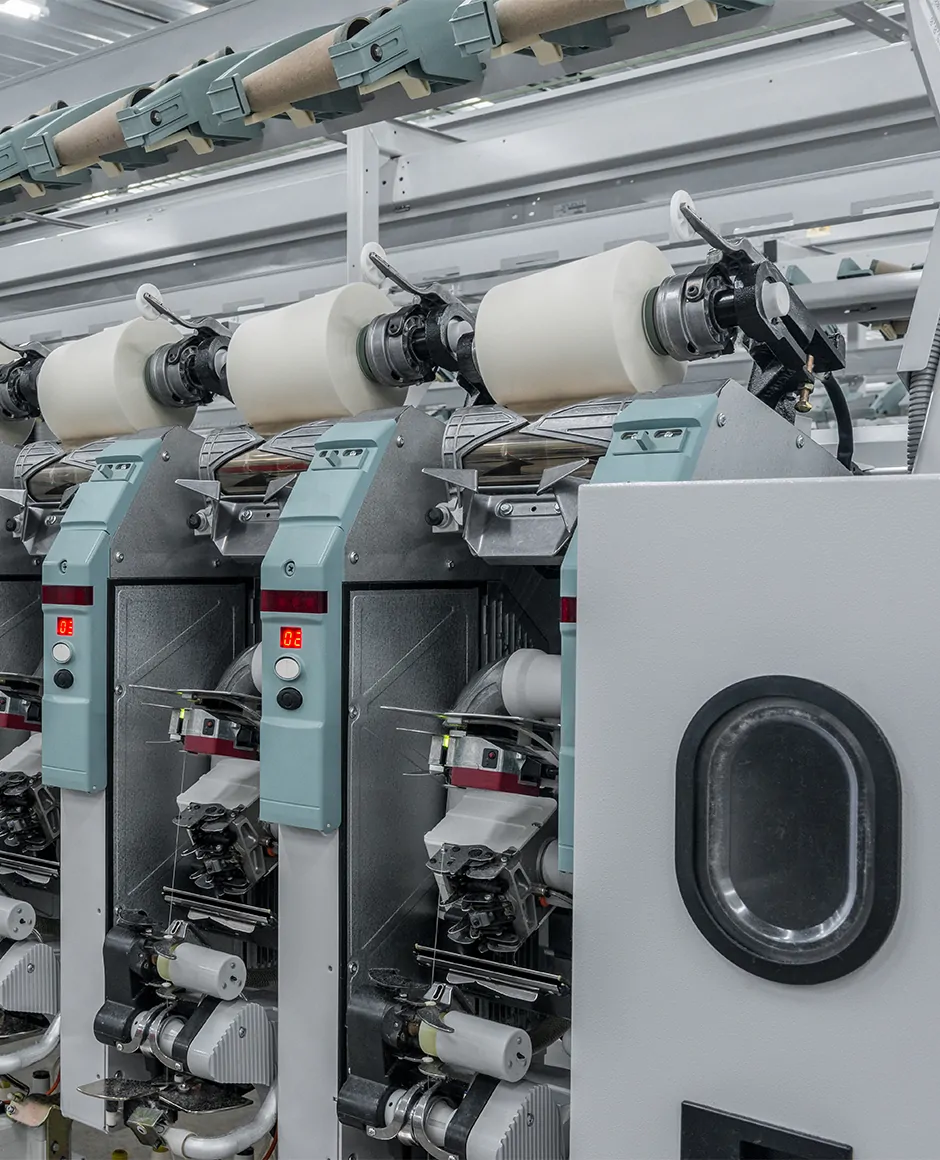
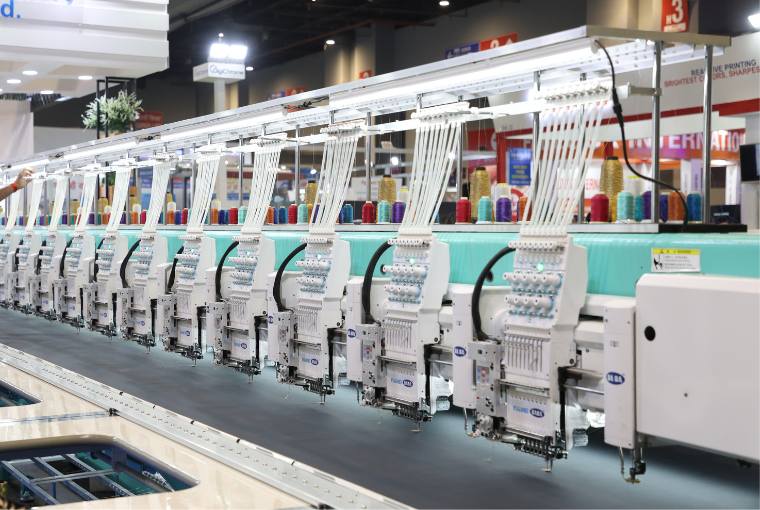
Textile machinery supplier with automation features offering smart controls, production efficiency, and reduced manual handling.
Shipping Information
Exporter details revealed after verified importer registration
This covers spinning, weaving, and knitting machinery built with PLC control panels, servo-driven motors, and touchscreen HMI interfaces instead of manual dial settings. Automation here means the machine adjusts tension, speed, and stitch or thread parameters on its own mid-run and logs the data for a supervisor to check later, rather than needing an operator to catch every drift by eye. Most of this equipment ships out of Coimbatore and Ahmedabad, India's two established textile machinery manufacturing centers, to buyers setting up or expanding mills who want less manual intervention on the factory floor.
| Attribute | Details / Value | Compliance / Standard |
|---|---|---|
| Machine Types | Spinning frames, power looms, circular/flat knitting machines, carding and drawing units | Specify at inquiry |
| Control System | PLC-based control with touchscreen HMI | Siemens, Mitsubishi, or Delta PLC options |
| Drive System | Servo motor drive for tension and speed control | Reduces manual adjustment |
| Monitoring | IoT-enabled production monitoring and fault logging (optional) | Remote dashboard access on request |
| Power Supply | Configurable for 380V/415V, 50Hz or 60Hz | Matched to destination country's grid |
| Build Standard | CE-marked for EU import where applicable | ISO 9001 manufacturing facility |
| Installation Support | Remote commissioning support standard, on-site optional | Travel and stay costs billed separately for on-site |
| HS Code | 8445 to 8448 (International), varies by machine type | WCO Harmonized System, Chapter 84 |
Coimbatore has been called the Manchester of South India for a reason. Lakshmi Machine Works, one of the world's larger spinning machinery makers, is based there, and the surrounding ecosystem of component suppliers, foundries, and precision machining units means a manufacturer can source parts locally instead of importing half the machine. Ahmedabad and Surat cover the weaving and power loom side, with a long history of building equipment for their own domestic mills before exporting it. For a buyer overseas, this means the manufacturer isn't assembling machinery from imported subassemblies with a long parts pipeline. Most of what goes into the machine is made within a short radius of where it gets bolted together, which matters later when you need a replacement part fast.
It means the machine has a PLC control system and servo-driven motors that adjust tension, speed, and thread parameters during a run instead of relying on an operator to set and monitor everything manually. Some models add IoT monitoring so a supervisor can check production data remotely.
Yes. Voltage and frequency are confirmed at the order stage and the machine is built or adjusted to match your local grid, typically 380V or 415V at 50Hz or 60Hz depending on the destination country.
Remote commissioning support is standard, meaning a technician walks your team through setup and calibration over video call. On-site installation and operator training is available too, but that gets quoted separately since it involves travel and stay costs for the technician.
Spare parts are shipped separately by air for urgent cases, since replacement components are usually smaller and lighter than the machine itself. Because most parts are sourced locally around Coimbatore or Ahmedabad rather than imported from elsewhere, restocking tends to be faster than with machinery built from a longer international supply chain.
CE marking is available on applicable machine models for EU import, and the manufacturing facility itself holds ISO 9001 certification. Confirm CE status for the specific machine model you need at the inquiry stage, since not every configuration carries it by default.
Connect with EXP01002 and thousands of verified Indian exporters on Navi Exports