-
-
-
-
-
-
-
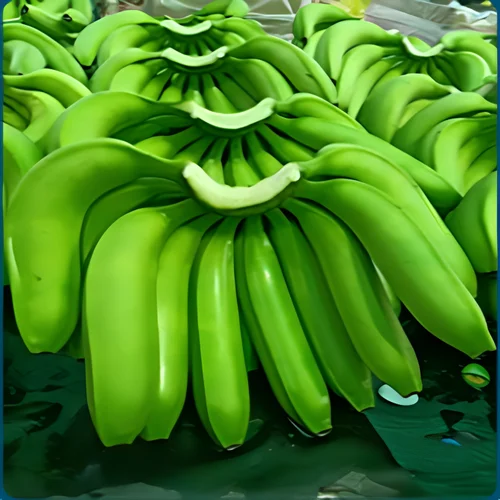
Banana Supplier 40 Days Shelf Life Export Europe Bulk
Chennai, Tamil Nadu, India
Banana supplier 40 days shelf life export Europe bulk supply with cold chain handling.
Shipping Information
Exporter details revealed after verified importer registration
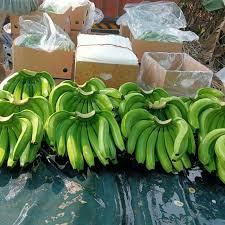
Banana supplied with 40-day shelf life uses modified atmosphere packaging (MAP) technology, sealed polyethylene bags with adjusted oxygen and carbon dioxide levels combined with an ethylene absorber, to extend Cavendish banana's usual 18-21 day green shelf life to roughly double that under proper cold chain conditions. This makes it possible to ship banana on longer routes to Europe by sea freight while still arriving with meaningful shelf life left for the importer's own ripening and distribution cycle, rather than cutting it close on a standard-packed shipment. Tamil Nadu's Trichy and Theni banana belt feeds Chennai Port with short inland transit, and Chennai's container handling capacity supports the extended reefer scheduling this shipping approach depends on. For European importers and wholesale produce distributors, this offers a genuine solution to the transit-time constraint that normally limits how far green banana can travel while staying fresh.
| Attribute | Details / Value |
|---|---|
| Botanical Name | Musa acuminata (Cavendish group) |
| Variety | Grand Naine (G9), standard export cultivar |
| Finger Length | 20-24cm, specify per market preference |
| Box Weight | 13-13.5kg per carton, standard export packing |
| Maturity Stage at Harvest | 75-80% maturity, green, unripe for export transit |
| Shelf Life Extension Method | Modified atmosphere packaging (MAP) with ethylene absorber, or 1-MCP treatment, specify per order |
| Extended Shelf Life | Up to 40 days under continuous cold chain with MAP/1-MCP treatment |
| Standard Shelf Life (Untreated) | 18-21 days green under standard cold chain, for comparison |
| Pesticide Residue | Within MRL limits for EU food import regulations (Reg. 396/2005) |
| Transit Temperature | 13-14°C, 90-95% relative humidity |
| Ripening | Ethylene-ripened at destination, buyer's own ripening chamber |
| HS Code | 0803.90.10 (fresh Cavendish bananas), confirm with CHA |
MAP works by sealing banana in polyethylene bags with carbon dioxide raised to around 5% and oxygen reduced to around 2%, combined with an ethylene-absorbing agent like potassium permanganate. This essentially puts the fruit into a dormant state, slowing respiration and delaying the ripening trigger well beyond what standard ventilated cartons achieve. The tradeoff is tighter tolerance requirements, oxygen levels that drop too low or CO2 that climbs too high can cause discoloration or off-flavors, so this only works with correctly specified packaging materials and consistent temperature control.
1-MCP (1-methylcyclopropene) is an ethylene-action inhibitor applied post-harvest that blocks the fruit's ripening receptors for an extended period, and research combining 1-MCP with MAP has shown shelf life extensions well beyond 40 days in controlled studies. Buyers should confirm which specific method (MAP alone, 1-MCP alone, or combined) their order uses, since this affects both cost and the precise shelf life window to plan distribution around.
Tamil Nadu's Trichy and Theni banana belt sits close enough to Chennai to keep the harvest-to-cold-storage gap short, which matters even more when the fruit is about to undergo MAP treatment or 1-MCP application, since starting from the freshest possible fruit gives the extended shelf life technology the best baseline to work from. Chennai Port's container handling capacity and reefer scheduling frequency support the longer, more carefully managed transit this shipping approach is built for.
13-13.5kg telescopic corrugated cartons lined with MAP polyethylene bags and ethylene absorber sachets, or cartons of 1-MCP treated fruit in standard ventilated packaging, specify per order. Individual hands or clusters cushioned within the carton to prevent finger breakage during the longer transit.
Phytosanitary certificate from India's Plant Quarantine Department for every shipment, Certificate of Origin, pesticide residue test reports available per batch, APEDA registration. Documentation confirming the specific shelf-life extension method used (MAP specifications or 1-MCP treatment records) available on request.
It's achieved through modified atmosphere packaging (MAP), sealed bags with reduced oxygen and raised carbon dioxide plus an ethylene absorber, or through 1-MCP treatment, which blocks the fruit's ripening receptors. Both methods are well documented in postharvest research and significantly extend shelf life beyond the standard 18-21 days for untreated green banana.
MOQ typically starts at 1 x 40ft reefer container, roughly 20-21 metric tons, for full-container orders, with smaller 20ft options available. FOB pricing depends on the specific shelf-life extension method used and current market conditions, so request a current quotation for an accurate figure.
Yes, MAP materials and ethylene absorbers, or 1-MCP treatment, add cost compared to standard ventilated cartons. This is generally worth it for buyers on longer transit routes like Europe, where the extra shelf life margin reduces the risk of fruit ripening past its sellable window before reaching distribution.
Sea freight from Chennai Port to major EU ports typically takes 20-28 days under reefer container conditions. With 40-day shelf life packaging, this leaves a meaningful buffer for distribution and ripening after arrival, compared to standard packing which offers a tighter margin.
Fresh Cavendish bananas are classified under HS code 0803.90.10. Confirm exact classification with your customs broker regardless of the packaging or shelf-life extension method used, since the fruit classification itself doesn't change.
Connect with EXP01002 and thousands of verified Indian exporters on Navi Exports