-
-
-
-
-
-
-
E-Commerce Development

Jaipur, Rajasthan, India
One Stop solution for E-commerce website and mobile app development
Quantity & Pricing
| Quantity Range | Unit Type | Price Range |
|---|---|---|
| 0-100 | piece | 100000 |
Shipping Information
Exporter details revealed after verified importer registration
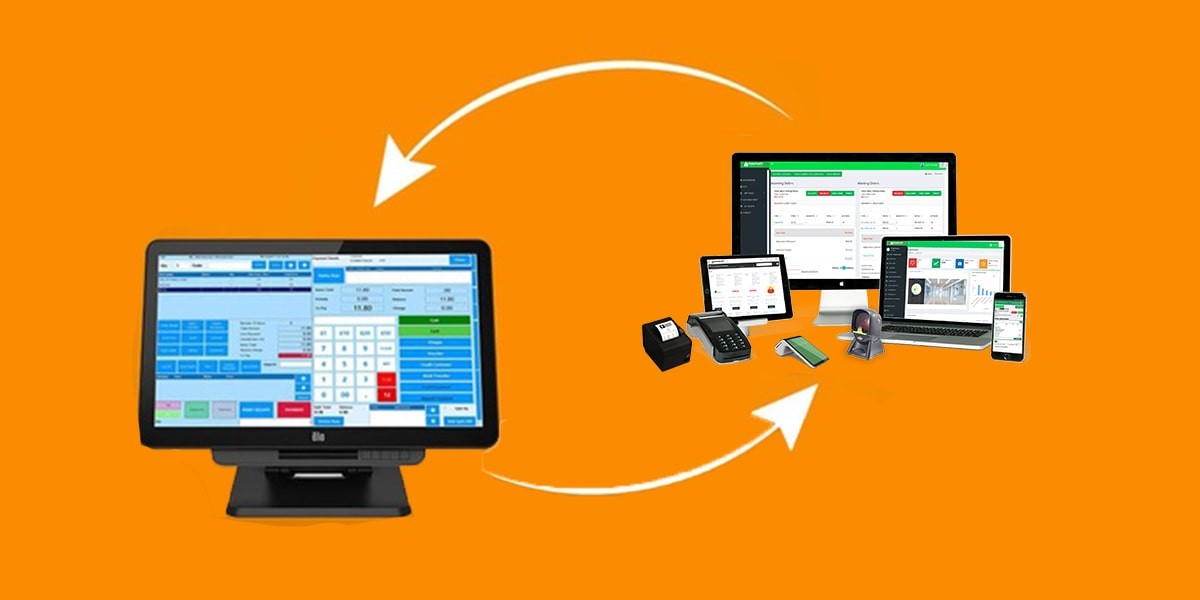
E-commerce development covers the technical build of online stores, B2B wholesale portals, marketplace platforms, and headless commerce architectures. The global B2B e-commerce market reached USD 33.02 trillion in 2025, growing at 10.84% CAGR through 2031. India's own e-commerce market hit USD 89.64 billion in 2024. India is the world's largest IT services exporter - software and services exports crossed USD 194 billion in FY24 - and the developer talent serving that market also works for international clients at 60-80% savings against equivalent US or UK development rates. Indian e-commerce teams build on Shopify and Shopify Plus, Magento and Adobe Commerce, WooCommerce, BigCommerce, and custom headless architectures in React and Next.js. Clients are typically US, UK, Australian, and Canadian businesses launching DTC brands, migrating legacy platforms, building wholesale portals, or connecting e-commerce to existing ERP and CRM systems.
| Service Type | Details |
|---|---|
| Shopify / Shopify Plus | Custom theme builds, Liquid development, app integration, B2B features, checkout customization |
| Magento / Adobe Commerce | Custom module development, multi-store setup, B2B catalog, ERP integration, performance optimization |
| WooCommerce | Custom plugin development, theme builds, payment gateway integration, subscriptions |
| Headless / Composable Commerce | Next.js + Shopify / Contentful, API-first architecture, decoupled frontend, CMS integration |
| B2B Portal Development | Wholesale portals with account-based pricing, quote management, bulk ordering, customer group pricing |
| Third-Party Integrations | ERP (SAP, NetSuite, Odoo), CRM (Salesforce, HubSpot), shipping APIs, payment gateways |
| Mobile Commerce | React Native or Flutter apps with cart, checkout, push notifications, order tracking |
| Platform Migration | WooCommerce to Shopify, Magento to Shopify Plus, OpenCart migrations - data, URL mapping, SEO |
| Performance Optimization | Core Web Vitals, image optimization, CDN, caching, database query tuning |
| Post-Launch Support | Bug fixes, feature additions, security updates, monthly retainer packages |
Shopify works for most DTC and SME retail stores: fast deployment, manageable ongoing costs, wide app ecosystem, no server to manage. Shopify Plus is the same foundation with B2B features, custom checkout logic, and multi-store management unlocked - it makes sense around USD 1 million annual revenue and up. Magento/Adobe Commerce is for high-SKU, complex catalog businesses that have development resources and IT infrastructure. WooCommerce fits businesses already on WordPress that need e-commerce without migrating their content setup. Headless is for businesses that need frontend behaviour no standard theme can support and are prepared to pay more to build and maintain it. The platform decision should come from your catalog complexity, integration needs, order volume, and what your team can actually manage - not from which platform the development agency prefers to build on. An agency that recommends Magento for a 200-SKU DTC store has different motivations than your business does.
The core store build is usually straightforward. The overruns come from integrations: ERP connections, real-time inventory sync across warehouse management systems, custom checkout flows interacting with logistics APIs, legacy data migrations where the source system has no clean export. Third-party integrations need API documentation from both sides, sandbox environments that actually behave like production, and someone's time on the third party's support team when they do not. Map every integration point in writing before development starts. Name which system holds the data, what API is available, whether a sandbox exists. Every integration discovered after the project kicks off adds time, cost, and a negotiation you did not plan for.
A mid-market e-commerce build that runs USD 80,000-120,000 with a US or UK agency typically costs USD 20,000-45,000 with an Indian team for the same technical scope. That gap is not a quality signal - it reflects labour cost differences in a market where senior Shopify and Magento developers are available in large numbers. India's IT sector exports crossed USD 194 billion in FY24. The developers working on international e-commerce projects are experienced, often Shopify Partner or Magento Solution Partner certified, and working across US, UK, Australian, and Canadian client bases as their primary market. The cost advantage is real. What it does not guarantee is communication quality, project management, or post-launch accountability - which is where the selection work actually matters.
Ask to see a project currently in development, not just the portfolio. How an agency manages an active build - communication rhythm, how they handle blockers, whether the developer and project manager are the same person - tells you more than finished showcase work. Send a technical question to the project manager directly and see what comes back. Read the IP ownership clause in the contract: all custom code should transfer to you on delivery, delivered via a Git repository you control. Agencies that retain repository ownership retain leverage when the relationship ends. Get the post-launch support terms in writing before you sign - not after the store goes live and something breaks.
Fixed-price project for defined scope builds. Time-and-material for evolving requirements or ongoing feature development. Dedicated developer or team hire for businesses needing long-term development capacity. Monthly retainer for post-launch support, feature additions, and performance monitoring.
Shopify Partner Program. Magento Solution Partner / Adobe Commerce Partner where applicable. ISO 27001 information security for agencies handling client data. GDPR-compliant development practices for EU-market stores. PCI DSS compliance guidance for payment handling implementations.
Shopify suits most DTC and SME retail stores that need fast deployment and do not want to manage server infrastructure. Shopify Plus adds B2B features, custom checkout logic, and multi-store management - it makes commercial sense around USD 1 million annual revenue and up. Magento/Adobe Commerce is for high-SKU, complex catalog operations with internal development resources. WooCommerce works for businesses already on WordPress that need e-commerce without migrating their content setup. Headless commerce suits businesses that need frontend behaviour no standard theme can deliver and are willing to carry higher build and maintenance costs. The platform should be chosen based on your catalog complexity, integration requirements, order volume, and what your team can manage - not on developer preference or familiarity.
Overruns come from integrations and scope discovered mid-project. ERP connections, real-time inventory syncing, legacy data migrations, and custom checkout flows with third-party APIs are where time and budget expand. The fix is to document every integration point before development starts: which system holds the data, what API is available, whether a sandbox environment exists, and what the third party's support response time looks like in practice. Get a written scope document that names every integration before signing the contract. Every integration found after the project starts adds negotiation, time, and usually cost.
This needs to be in the contract before the project starts. All custom code written for your project should transfer to you on delivery. Some agencies retain ownership of reusable modules deployed across multiple clients - these need to be identified and either licensed to you or rebuilt as proprietary. Code should be delivered via a Git repository you own and control. If the repository belongs to the agency, you do not fully control the codebase when the relationship ends. Get the IP clause in writing and check it specifically, not just the general terms.
Ask to see a project currently in development, not the portfolio. How an agency runs an active build - communication frequency, how they handle blockers, whether the developer and project manager are the same person - tells you more than finished work. Send a technical question directly to the project manager and assess the response. Confirm Shopify Partner or Magento Solution Partner status if the platform is relevant - it means the work is reviewed against platform standards. Ask for client references from businesses in your sector and call them. Most clients will give you a more useful picture than any showcase portfolio.
A 30-60 day bug-fix window at no additional cost should be written into every project contract. Beyond that, a monthly retainer covering security updates, minor feature additions, and performance monitoring is the practical arrangement for businesses without internal development capacity. Establish retainer terms before launch. The SLA - how fast the agency responds to a critical bug on a live store - should be in the contract as a number, not discussed verbally after something breaks. Agencies that do not commit to post-launch support terms in writing leave you negotiating from the weakest possible position: a live store with a problem and no contract covering it.
Connect with EXP01002 and thousands of verified Indian exporters on Navi Exports