-
-
-
-
-
-
-
Fresh Fruit Export Company India Bulk Container Supply
Mumbai, Maharashtra, India
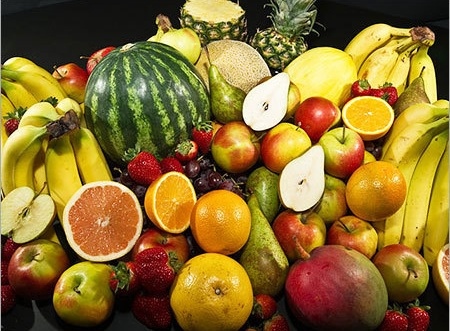
Fresh fruit export company India bulk container supply delivering mixed fruit export solutions for international buyers.
Shipping Information
Exporter details revealed after verified importer registration
This is full-container-load fruit supply built for importers and distributors who need a repeatable, contracted volume, not a one-time spot purchase. A 40ft reefer container carries around 28,350kg, and getting that much fruit to arrive in sellable condition depends less on the fruit itself and more on getting the container's temperature, humidity, and gas exchange settings right for whatever's loaded inside it. That's the actual job of an export company at this scale: managing sourcing across multiple growing regions in India and matching each shipment to the right container technology and shipping route for that specific fruit and destination.
| Attribute | Details / Value | Compliance / Standard |
|---|---|---|
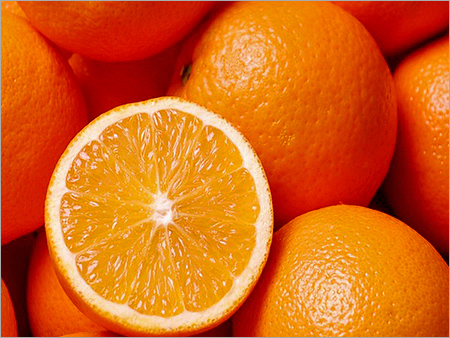
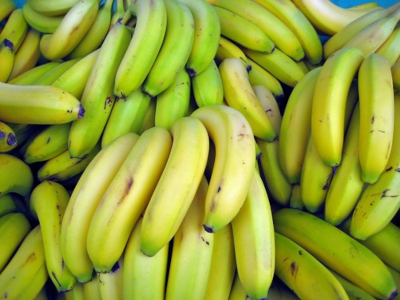
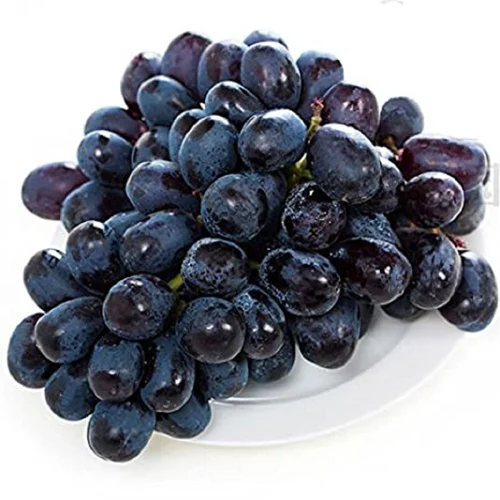
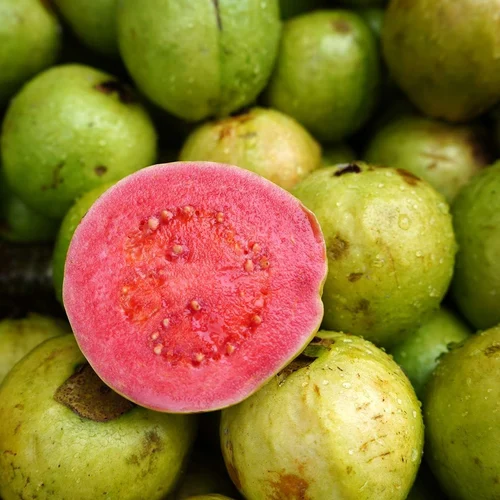
| Fruit Range | Mango, grapes, pomegranate, banana, orange, guava, sourced by region | Availability confirmed per season |
| Container Type | Standard reefer or Controlled Atmosphere (CA) reefer | CA extends shelf life 4-6 weeks beyond standard reefer |
| Container Sizes | 20ft or 40ft high-cube reefer | 40ft carries approx. 28,350kg capacity |
| Temperature Range | -0.5°C to +13°C depending on fruit, set per shipment | Continuous logging via onboard sensors |
| Cold Treatment | USDA-compliant cold treatment available for markets requiring it | APHIS-approved sensor logging, Form PPQ 203 documentation |
| Loading Terms | FCL standard, LCL available for smaller mixed orders | Confirmed per order volume |
| HS Code | Chapter 08, per fruit type | Each fruit invoiced under its own heading |
A single-region exporter can only offer what grows near them, which means an importer buying multiple fruit types often ends up managing several supplier relationships across India just to fill one product range. Running sourcing across Maharashtra's grape and pomegranate belt, Tamil Nadu's mango and banana growing areas, and Maharashtra's orange districts from one company means a buyer gets one contract, one documentation process, and one point of accountability instead of coordinating separately with growers or regional exporters in each state. It also means container routing decisions, which port, which shipping line, standard reefer versus CA technology, get made based on what's actually being shipped and where it's going, not limited to whatever's available near a single fixed origin point.
Wholesale importers and distributors who supply supermarket chains are the primary buyer here, since they need predictable volume on a recurring schedule rather than a single spot purchase, and they're the ones who benefit most from an annual or seasonal supply agreement instead of renegotiating terms every shipment. Large foodservice and hospitality distributors buy at container scale too, particularly ahead of high-demand periods like Ramadan for mango or festival seasons where demand spikes are predictable in advance. A smaller group of buyers are processors who use the fruit as raw material for juice, pulp, or preserved products, and they tend to care more about consistent brix and yield than the cosmetic grading a retail-bound shipment needs.
Standard reefer controls temperature only. CA (Controlled Atmosphere) containers also manage oxygen and CO2 levels inside the container, which slows the fruit's natural ripening process and can extend usable shelf life by four to six weeks compared to standard reefer alone. CA costs more per container and is generally reserved for longer routes or higher-value fruit where the extended shelf life justifies it.
Cold treatment is a quarantine requirement to kill fruit fly larvae and eggs that might otherwise be introduced to US agriculture. It requires holding the fruit at a specific low temperature, typically around -0.56°C, for ten or more consecutive days, with continuous documented temperature logging submitted at the port of entry.
A 40ft high-cube reefer carries roughly 28,350kg, though actual usable capacity varies somewhat by fruit type and packaging format, since some fruit requires more protective packaging volume per kilogram than others.
Yes, and for buyers with predictable, recurring demand this is usually the more efficient path, since it locks in sourcing and shipping schedules across a full season rather than renegotiating terms with each shipment. Seasonal fruit like mango still needs its own timing worked out within that agreement given the limited harvest window.
Holds typically happen from a documentation or temperature-logging gap rather than a quality issue with the fruit itself, which is exactly why continuous, unbroken sensor logging matters so much for cold-treatment shipments. Responsibility for hold-related costs should be clarified in the shipping agreement before the container leaves India, not after a hold happens.
Connect with EXP01002 and thousands of verified Indian exporters on Navi Exports