-
-
-
-
-
-
-
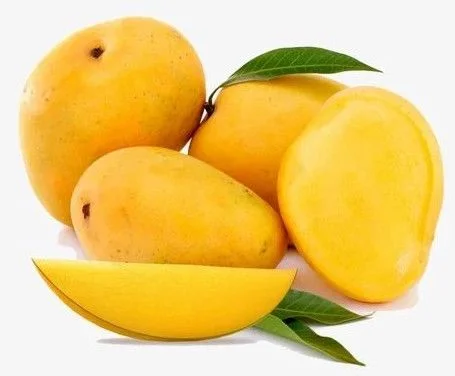
Fresh Mango Supplier 10 To 15 Days Air Shipment
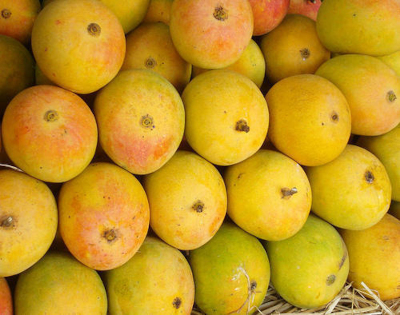
Lucknow, Uttar Pradesh, India
Fresh mango supplier 10 to 15 days air shipment delivering high-freshness export mangoes for urgent international orders.
Shipping Information
Exporter details revealed after verified importer registration
Alphonso's natural shelf life runs about 7 to 10 days after harvest, which settles the shipping method question before it's even asked. Sea freight to the US takes 25 to 30 days, so it simply isn't viable for this fruit, and every serious mango export operation runs entirely on air cargo out of Mumbai. Mangoes grown and packed in the Devgad and Ratnagiri belt of Maharashtra's Konkan coast, both GI-tagged origins for Alphonso, get harvested, treated, and flown out within days, arriving at destination markets with 10 to 15 days of usable shelf life left once proper cold chain handling is factored in from harvest through delivery.
| Attribute | Details / Value | Compliance / Standard |
|---|---|---|
| Variety | Alphonso (Devgad/Ratnagiri GI-tagged), Kesar available separately | GI Tag Certificate provided per shipment |
| Natural Shelf Life | 7 to 10 days post-harvest untreated | Extended to 10-15 days with treatment and cold chain |
| Treatment for US Market | Gamma irradiation (minimum 400 Gy) at USDA-APHIS approved facility | Neutralizes quarantine pests, mandatory for US entry |
| Treatment for Other Markets | Vapor Heat Treatment (VHT), hot water fungicidal dip (500 ppm Prochloraz) | Per destination country's phytosanitary requirement |
| Packaging | Insect-proof export cartons, foam or netted fruit trays | Radura symbol required on US-bound retail packaging |
| Shipping Route | Air freight only, Mumbai (BOM) or Ahmedabad (AMD) to destination hub | 48-72 hour packhouse-to-destination transit |
| Harvest Season | April to July, peak availability April-May | 6-8 week window, order allocation books early |
| HS Code | 0804.50 (International) / 08045020 (India ITC-HS) | WCO Harmonized System |
This is one of the few product categories where sourcing location and export infrastructure genuinely have to sit close together, because the shelf-life clock doesn't allow for a long domestic haul before treatment and flight. Devgad and Ratnagiri orchards sit within reach of the MSAMB irradiation facility in Navi Mumbai and Mumbai's international airport, which keeps the gap between harvest and air cargo departure to a matter of days rather than the week or more a farther-flung growing region would need. That proximity is also why irradiation and treatment facility slots get booked up early each season. Every serious exporter in this trade is competing for the same limited treatment capacity during the same six to eight week harvest window, so supply allocation gets locked in before the fruit is even on the tree.
US importers serving the South Asian diaspora market are the primary buyer for Alphonso specifically, willing to pay a premium air-freight price point that a mainstream commodity fruit importer wouldn't. This demand is concentrated and urgent, since the harvest window is short and interest peaks hard during the April-June season. EU and Japanese buyers work through a similar model, generally requiring Vapor Heat Treatment rather than irradiation given differing phytosanitary rules by destination. Specialty grocers and high-end retail chains in all these markets buy in smaller, more frequent air-freight lots rather than one large seasonal order, since the fruit's short shelf life doesn't support stockpiling even after arrival.
Sea freight to the US takes 25 to 30 days, while Alphonso's natural shelf life is only about 7 to 10 days. The fruit simply wouldn't survive the transit, so air freight is the only commercially viable option despite the higher cost, and that cost is factored into the fruit's premium pricing.
No. Irradiation is a cold process that doesn't cook the fruit, so texture and flavor stay intact, and its purpose is specifically to neutralize quarantine pests, not to affect taste or extend shelf life meaningfully. The FDA, WHO, and IAEA all recognize irradiated food as safe for consumption, and the fruit does not become radioactive.
Both address quarantine pest concerns but through different methods, irradiation uses controlled gamma exposure, while VHT uses heat to achieve a similar pest-neutralizing effect. Which one is required depends entirely on the destination country's phytosanitary protocol, the US specifically requires irradiation while other markets may accept VHT instead.
Well before the April harvest start, ideally as the previous season closes out. Treatment facility capacity and air cargo space both get booked up early by established exporters, and premium GI-tagged farm allocations are often committed to buyers before the fruit is even on the tree.
Devgad and Ratnagiri Alphonso carry GI recognition tied specifically to that Konkan coastal growing region, associated with a particular flavor and texture reputation. Alphonso grown in other parts of India may still be a genuine Alphonso variety but doesn't carry that same GI-verified origin claim, which matters to buyers specifically seeking the documented regional provenance.
Connect with EXP01002 and thousands of verified Indian exporters on Navi Exports