-
-
-
-
-
-
-
Mixed Fresh Fruits Supplier UAE Europe Bulk Importers

Bengaluru, Karnataka, India
Mixed fresh fruits supplier UAE Europe bulk importers delivering container-ready assorted fruit supply for commercial buyers.
Shipping Information
Exporter details revealed after verified importer registration
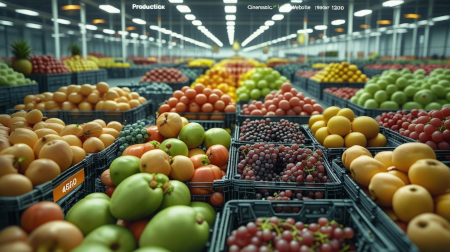
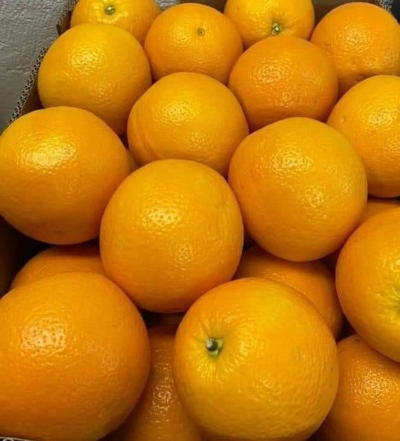
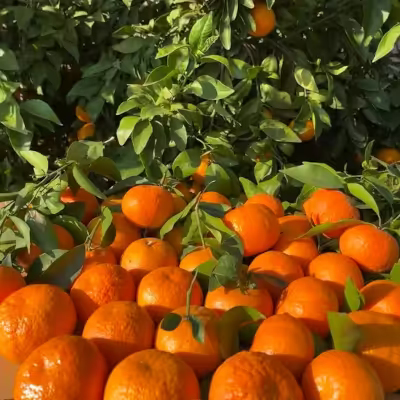
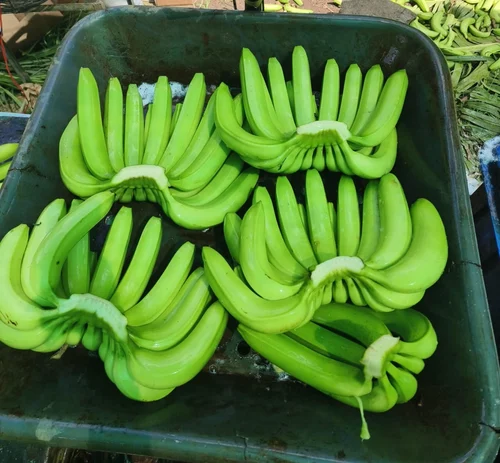
This is a consolidated mixed-fruit supply line, grapes, pomegranate, banana, and orange sourced primarily from Maharashtra's fruit belt and shipped as a combined order rather than requiring a buyer to source each fruit separately. Nashik grows the grapes, Solapur and Ahmednagar grow the Bhagwa pomegranate variety that dominates India's export volume, Jalgaon supplies banana, and Nagpur's GI-tagged mandarin orange rounds out the mix depending on season. One important point on classification: a genuinely mixed shipment of unprocessed fresh fruit is still invoiced under each fruit's own HS heading individually. It's only once fruit is cut, combined, or otherwise prepared into something like a fruit salad that it shifts into a different customs category entirely.
| Attribute | Details / Value | Compliance / Standard |
|---|---|---|
| Fruit Varieties | Grapes (Thompson/Sonaka Seedless), pomegranate (Bhagwa), banana, Nagpur orange | Mix ratio customizable per order |
| Grading | Export-grade sorted for size, color, and brix (sugar content) per fruit | Domestic-grade excluded from export packs |
| Packaging | Ventilated corrugated cartons, fruit-specific trays or netting inside | Consolidated or fruit-separated cartons per buyer preference |
| Cold Chain | Pre-cooled per fruit's specific temperature requirement before consolidation | Reefer container or air freight per shipment method |
| Shelf Life | Varies by fruit, grapes and oranges hold longer than banana under cold chain | Mixed shipments planned around the shortest-life component |
| HS Code | Chapter 08, per fruit: 0806.10 grapes, 0810.90 pomegranate, 0803 banana, 0805.21 mandarin orange | Each fruit invoiced separately under its own heading |
| Certifications | APEDA registration standard across all fruit varieties | GlobalGAP available for EU retail supply |
Buying grapes from Nashik, pomegranate from Solapur, and banana from Jalgaon as four separate transactions with four separate exporters is how a lot of smaller importers end up managing this category, and it's genuinely inefficient. Consolidating through one supplier based near Mumbai works because these growing belts sit within a manageable distance of each other and of the port and airport infrastructure needed to ship them out. Nashik alone accounts for the largest share of India's grape production and is often called the country's grape capital, and Solapur's Bhagwa pomegranate is the variety most Indian pomegranate exports are actually built around. Buying a mixed container from one source means one set of documentation, one shipping schedule, and one point of contact instead of four.
UAE-based wholesale distributors and supermarket supply chains are the largest buyer group for mixed Indian fruit, given geographic proximity and existing demand for exactly this combination of fruit. European importers buying into specialty grocers and ethnic retail typically want smaller, more curated mixes, often just grapes and pomegranate rather than the full range, since their retail customers are more price-sensitive on unfamiliar varieties like Indian banana. Foodservice and catering distributors in both markets tend to order the broadest mix, since a hotel or catering operation needs variety more than it needs any single fruit in volume.
Several. Each fresh fruit keeps its own HS heading under Chapter 08 even when shipped together in the same container. It's only when fruit is cut, combined, or otherwise processed into a prepared product like a fruit salad that it shifts to a different customs chapter entirely.
Yes, the mix is built around your market's actual demand rather than a fixed default split. Tell us the fruit types and approximate ratio you need and the order gets sourced and packed to match, adjusted for what's actually in season at the time.
Fruits with similar temperature and humidity needs get grouped together in the same reefer settings, and a mixed shipment is planned around whichever fruit has the shortest shelf life and strictest temperature requirement, usually banana. Fruits with meaningfully different needs sometimes ship in separate containers rather than compromising on one setting for all of them.
Mainly for simplicity, one shipment, one set of export documents, and one point of contact instead of coordinating separate orders and shipping schedules with multiple exporters. The trade-off is that a specialist single-fruit exporter may offer marginally better pricing or a wider variety selection within that one fruit, so it depends on whether you value convenience or specialization more for your business.
UAE orders benefit from a shorter transit time, so sea freight works comfortably for most fruit in the mix. Europe orders often need a split approach, sea freight for hardier fruit like grapes and pomegranate, air freight for anything with a shorter shelf-life tolerance, which affects overall shipping cost and needs to be planned into the order.
Connect with EXP01002 and thousands of verified Indian exporters on Navi Exports