-
-
-
-
-
-
-
Fresh Citrus Fruits Supplier Export Packing Middle East
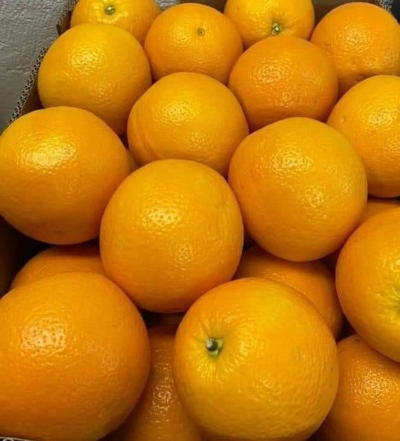
Kolkata, West Bengal, India
Fresh citrus fruits supplier export packing Middle East delivering oranges, lemons, mandarins, and sweet lime in shipment-ready cartons.
Shipping Information
Exporter details revealed after verified importer registration
Kinnow is the citrus this page is really built around, a mandarin hybrid bred originally in California in the 1930s that found its real commercial home in Punjab rather than where it was developed. The region's cool winter nights give the fruit its golden-yellow color, high juice content, and sweetness, and Punjab now produces around 1.32 million tonnes of it a year, most of it from the Abohar belt. The Middle East is already one of Kinnow's established export destinations alongside Russia, Nepal, and Bangladesh, and unlike South Indian citrus, Kinnow's harvest runs December to March, a genuinely different window that lets a Middle East buyer source fresh citrus from India across a longer stretch of the year by combining regions.
| Attribute | Details / Value | Compliance / Standard |
|---|---|---|
| Primary Variety | Kinnow (King x Willow Leaf mandarin hybrid) | Low-seed PAU Kinnow-1 available on request |
| Other Citrus Available | Mosambi (sweet lime), Nagpur mandarin | Seasonal availability varies by region |
| Fruit Size | 7 to 8cm diameter, round to slightly flattened shape | Sorted by size at packing |
| Color and Juice | Deep golden-orange skin, high juice content | Driven by Punjab's cool winter growing conditions |
| Seed Content | Standard Kinnow has moderate seed count; low-seeded variety available separately | Specify preference at order |
| Harvest Season | December to March | Peak quality mid-season |
| Packaging | Corrugated boxes, 10kg standard, custom sizes available | Waxing available for extended shelf presentation |
| HS Code | 0805.21 (International, mandarins including hybrids) | WCO Harmonized System |
Kinnow accounts for nearly 47% of Punjab's total fruit-growing area, which tells you this isn't a minor side crop, it's the backbone of the state's fruit economy. The Regional Fruit Research Station in Abohar first introduced Kinnow commercially in 1968, and cultivation area grew from about 500 hectares then to nearly 49,000 hectares by 2023-24, a scale-up that built real packing and export infrastructure around it rather than leaving it as a cottage-scale crop. Worth being straightforward about one thing: traditional Kinnow does carry more seeds than some competing mandarin varieties internationally, which is a genuine trade-off some processing buyers weigh against its sweetness and juice yield. A newer low-seeded cultivar, PAU Kinnow-1, is starting to address that gap for buyers who prioritize it.
Middle Eastern wholesale importers are an established, recurring buyer for Kinnow, alongside Russia, which has long been one of its largest markets. Gulf retail distributors value it specifically for the December to March window, when Kinnow is essentially the freshest citrus option coming out of India, ahead of the South Indian mandarin and orange crops that follow later in the year. Juice processors are a separate buyer category, drawn by Kinnow's high juice content even with its seed content factored into processing costs, and this segment is one PAU Kinnow-1's low-seed trait is specifically aimed at growing.
No, it's a specific hybrid, King mandarin crossed with Willow Leaf mandarin, originally bred in California but now grown almost entirely in the Punjab region of India and Pakistan. It has its own distinct sweetness, juice content, and seasonal window separate from standard mandarin varieties.
Traditional Kinnow does carry a moderate seed count, which has historically been a limitation for juice processing specifically. A newer low-seeded cultivar, PAU Kinnow-1, developed by Punjab Agricultural University, addresses this and is available as a separate product line for buyers who prioritize it.
Kinnow runs December to March, driven by Punjab's distinct winter climate, whereas South Indian mandarin varieties like Nagpur orange follow a different crop cycle tied to their own regional monsoon and growing patterns. This difference is actually useful for buyers wanting fresh Indian citrus availability across a longer stretch of the year.
Food-grade wax coating used to extend shelf presentation is standard commercial practice for citrus export generally, but specific food-contact wax regulations vary by destination country. Confirm your market's requirement directly, since not every wax formulation is approved in every jurisdiction.
Yes, pairing Punjab's Kinnow season with South Indian mandarin or orange crops from a different harvest window can extend fresh citrus availability across more of the year. This requires coordinating two separate sourcing regions rather than treating it as a single supply line, so it's worth discussing as a structured program rather than a one-off order.
Connect with EXP01002 and thousands of verified Indian exporters on Navi Exports