-
-
-
-
-
-
-
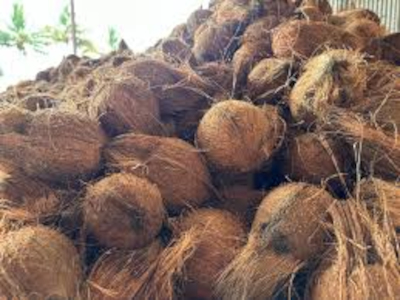
Fresh Coconut Exporter For Middle East Mature Tender Bulk
Kolkata, West Bengal, India
Fresh coconut exporter for Middle East mature tender bulk delivering high-volume coconut supply for foodservice and wholesale markets.
Shipping Information
Exporter details revealed after verified importer registration
Fresh coconut is the whole, unprocessed coconut fruit supplied in two commercial forms: mature (brown husk, firm kernel, used for cooking, grating, and copra) and tender (green husk, soft kernel, used mainly for drinking water). Kolkata's position on the Hooghly River gives it direct port access through Kolkata Port and Haldia, drawing supply from West Bengal's coastal coconut belt around East Midnapore and South 24 Parganas, with rail linkage to southern India's larger growing regions for bulk-volume orders. For importers and wholesalers across the Middle East, coconuts shipped from Kolkata offer shorter sea transit to Gulf ports than shipments originating from India's west coast, competitive FOB pricing at bulk volumes, and the phytosanitary and fumigation documentation Gulf customs authorities require for fresh produce.
| Attribute | Details / Value |
|---|---|
| Botanical Name | Cocos nucifera |
| Variety | West Coast Tall, East Coast Tall, or local hybrid, specify on order |
| Maturity Type | Mature (11-12 months, brown husk) or Tender (6-8 months, green husk), specify per order |
| Husk Condition | Semi-husked or fully de-husked, specify per market requirement |
| Average Weight | Mature: 900g-1.4kg per piece; Tender: 700g-1.1kg per piece |
| Kernel Thickness (Mature) | 10-15mm, firm and white |
| Water Content (Tender) | 250-350ml per coconut, clear and sweet |
| Shell/Husk Condition | Free from cracks, mold, and insect damage |
| Pesticide Residue | Within MRL limits for GCC food import regulations |
| Shelf Life | Mature: 30-45 days from harvest under proper ventilation; Tender: 10-15 days, cold chain recommended |
| Storage Condition | Cool, ventilated, 10-15°C for tender; ambient dry storage acceptable for mature |
| HS Code | 0801.19.10 (coconuts, fresh, other than desiccated), confirm with CHA for mature/tender distinction |
Mature coconut has a firm, thick kernel suited to grating, milk and cream extraction, cooking use, and copra processing. It also has a longer shelf life and tolerates ambient storage and longer transit far better than tender coconut, which makes it the safer choice for buyers placing large bulk orders on longer shipping routes. Retailers and food manufacturers sourcing for coconut milk, desiccated coconut, or oil extraction should specify mature.
Tender coconut is sourced almost entirely for its water, sold whole for direct consumption in retail and hospitality channels. It has a much shorter shelf life and needs cold chain handling to arrive in sellable condition, which raises freight and packaging cost per unit. Buyers supplying juice bars, hotels, and fresh produce retail chains typically specify tender despite the added logistics cost, since that's where the demand for the product actually sits.
Kolkata's advantage for coconut export isn't growing volume, it's logistics. The port at Kolkata and the deep-water facility at Haldia give direct sea access to the Bay of Bengal and onward to the Arabian Sea shipping lanes that Gulf-bound cargo runs through, and Kolkata's rail network connects to coconut-growing states in the south for buyers who need volumes beyond what West Bengal's own coastal belt produces. For Middle East buyers, this means consolidated bulk shipments can move through a single eastern Indian port rather than routing everything through the more congested west coast ports, which matters when a buyer is trying to hit a specific vessel schedule into Jebel Ali, Dammam, or Jeddah.
Mature coconuts packed in ventilated mesh bags (25-50 kg) or jute sacks for bulk shipment. Tender coconuts packed in ventilated corrugated cartons with individual cushioning to prevent cracking, typically 10-15 pieces per carton. Palletized loading for FCL container shipment, with reefer container option for tender coconut on longer transit routes.
Phytosanitary certificate issued by the Plant Quarantine Department for every shipment, fumigation certificate where required by destination country, APEDA registration for the exporting entity, Certificate of Origin. Organic certification available on request where sourced from certified organic farms.
Mature coconut has a brown husk and firm kernel, used for cooking, milk extraction, and grating, with a shelf life of 30-45 days that tolerates ambient storage. Tender coconut has a green husk and is sourced mainly for its water, with a shorter shelf life of 10-15 days that requires cold chain handling. Buyers should specify which type based on end use, since the two have very different logistics requirements.
Sea freight from Kolkata to UAE ports like Jebel Ali typically takes 7-12 days, and to Saudi Red Sea ports around 10-15 days. Tender coconut orders are shipped in reefer containers to preserve shelf life, while mature coconut can move in standard ventilated containers.
Standard bulk orders start at 1 FCL (a 20ft container, roughly 18-20 metric tons) for mature coconut. Tender coconut orders can be arranged at smaller quantities given the cold chain requirement and shorter shelf life, though this typically raises the per-unit freight cost.
A phytosanitary certificate from India's Plant Quarantine Department is required for every shipment, along with a Certificate of Origin. Some GCC countries also require a fumigation certificate depending on the packaging material used. Buyers should confirm destination-specific requirements before the shipment leaves port.
Fresh coconuts, whether mature or tender, are generally classified under HS code 0801.19.10, covering coconuts other than desiccated. Some destination markets classify husked and de-husked coconut differently, so confirm the exact code with your customs broker before the first shipment.
Connect with EXP01002 and thousands of verified Indian exporters on Navi Exports