-
-
-
-
-
-
-
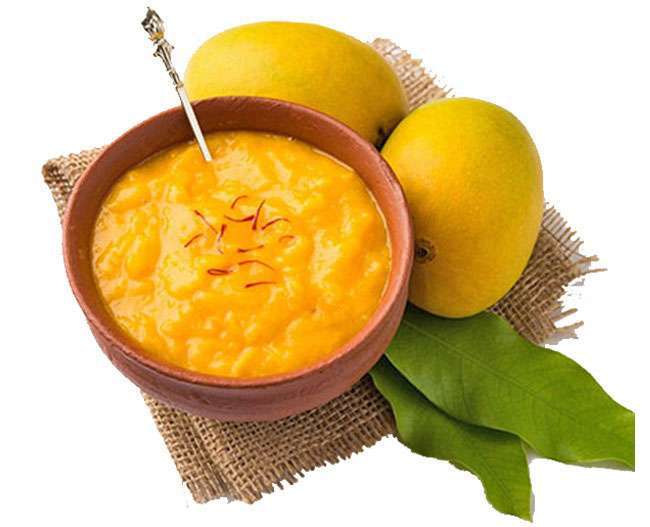
Mango Pulp & Puree
Mumbai, Maharashtra, India
Processed mango pulp and puree suitable for food manufacturing, bakery, dairy, and export processing industries.
Quantity & Pricing
| Quantity Range | Unit Type | Price Range |
|---|---|---|
| 500-1000 | kg | 50 |
Shipping Information
Exporter details revealed after verified importer registration
Mango pulp and puree is processed fruit concentrate made from ripe mangoes, deseeded, pulped, and preserved either aseptically or through freezing, used across beverage manufacturing, ice cream, bakery, confectionery, and food processing applications where fresh mango isn't practical to source or store year-round. Alphonso pulp specifically commands premium positioning given the variety's recognized flavor and color, and Mumbai's proximity to Maharashtra's Ratnagiri and Devgad growing belt supports both fresh fruit sourcing and pulp processing infrastructure in the same region. For beverage companies, ice cream manufacturers, and food processors, this means access to consistent Brix and color specification mango pulp with the food safety and export documentation international bulk buyers require.
| Attribute | Details / Value |
|---|---|
| Variety | Alphonso, Totapuri, Kesar, specify per order |
| Preservation Method | Aseptic packaging or IQF frozen, specify per order |
| Brix (Sugar Content) | 18-20 degrees Brix standard, custom Brix specification available |
| Color | Natural deep yellow to orange, variety-dependent, color value available per CoA |
| Total Soluble Solids | Minimum 18% TSS, specify per grade |
| Acidity | Within standard range for mango pulp, specify per application |
| Preservatives | Preservative-free (aseptic) or with permitted preservatives, specify per market requirement |
| Shelf Life | 12-24 months aseptic; 18-24 months IQF frozen |
| Packaging | Aseptic bags-in-drum (215kg, 220kg), IQF blocks/pails, retail packs available |
| HS Code | 2008.99 (mango pulp/puree, prepared), confirm with CHA |
Aseptic processing sterilizes the pulp and packs it in sterile, sealed bags without requiring frozen storage, which significantly reduces shipping and storage cost since it doesn't need a reefer container or freezer warehouse space. This suits large-scale beverage manufacturers and food processors with high-volume, continuous production needs where ambient storage before use is more practical than managing frozen inventory.
IQF frozen pulp retains slightly more of the fresh fruit's textural and flavor characteristics compared to aseptic processing's heat treatment, which matters for premium ice cream, artisanal beverage, and dessert applications where flavor nuance is part of the product's positioning. This comes at the cost of requiring continuous cold chain and frozen storage, raising both freight and warehousing costs compared to aseptic pulp. Buyers should confirm which tradeoff, cost efficiency versus flavor retention, matters more for their specific end product.
Mumbai's proximity to Ratnagiri and Devgad's Alphonso orchards means pulp processors here can access fresh, recently harvested fruit with minimal transit delay, which matters directly for pulp color and flavor quality, since fruit quality degrades the longer it sits between harvest and processing. Mumbai's port infrastructure supports both aseptic bulk shipment (which doesn't require reefer containers) and IQF frozen pulp export (which does), giving buyers flexibility in preservation method without needing to source from different regions.
Aseptic packaging in bags-in-drum format (215kg or 220kg net), standard for bulk industrial buyers. IQF frozen pulp in pails or blocks for buyers needing frozen format. Retail-ready packaging (tetra packs, cans) available for buyers building a consumer-facing product line.
FSSAI license, ISO 22000 and HACCP certified processing facility, APEDA registration, Certificate of Analysis (Brix, color, acidity) per batch, Certificate of Origin, Kosher and Halal certification available on request.
Aseptic pulp is heat-sterilized and packed to allow ambient storage without refrigeration, reducing shipping and storage cost. IQF frozen pulp retains more of the fresh fruit's texture and flavor but requires continuous cold chain and frozen storage, raising both freight and warehousing costs.
Standard mango pulp typically runs 18-20 degrees Brix, though custom Brix specifications are available depending on the buyer's application, beverage dilution ratios and confectionery use often call for different Brix targets than direct-consumption products.
Yes, Alphonso pulp generally commands a premium given the variety's recognized flavor, color, and brand positioning. Totapuri and other varieties are commonly used for buyers prioritizing cost efficiency over the specific Alphonso flavor profile.
MOQ varies based on variety, preservation method, and packaging format. Aseptic bags-in-drum orders typically start at a set number of drums, confirm the current minimum for your specific requirement directly.
Prepared mango pulp and puree generally fall under HS code 2008.99. Confirm the exact classification with your customs broker, since added sugar content or specific preservatives can shift the applicable subheading.
Connect with EXP01002 and thousands of verified Indian exporters on Navi Exports