-
-
-
-
-
-
-
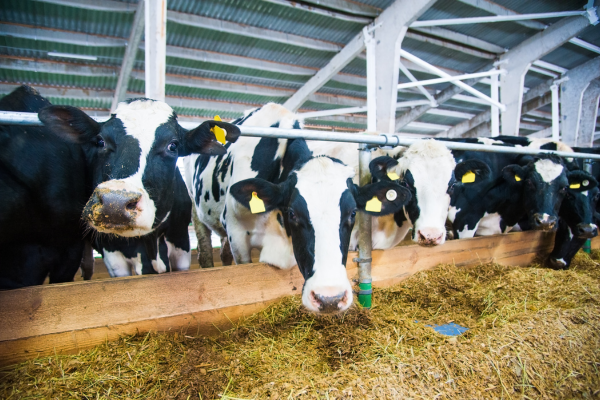
Premium Dairy Cow Feed
Chandigarh, Punjab, India
Premium quality dairy cow feed for increasing milk yield and overall cow health.
Shipping Information
Exporter details revealed after verified importer registration
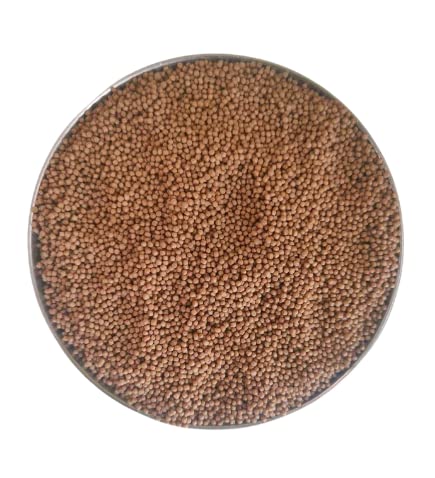
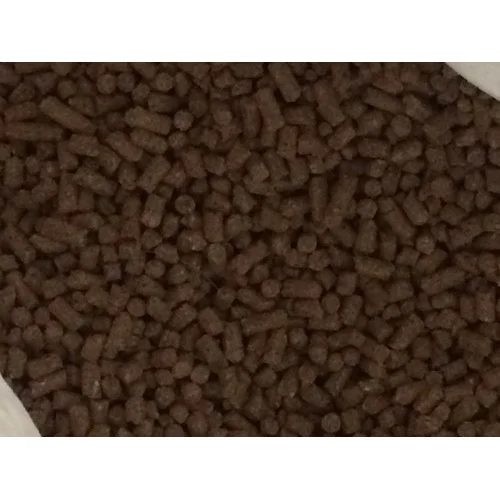
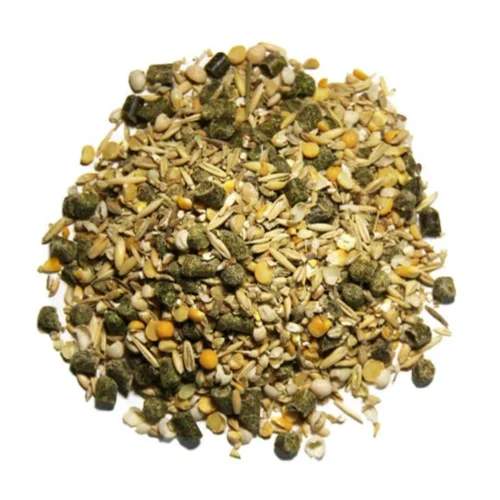
Premium dairy cow feed is formulated specifically to support milk yield, milk fat content, and reproductive health in dairy cattle, distinct from general-purpose cattle feed built for growth or maintenance alone. Chandigarh sits at the center of the Punjab region, home to India's highest per-animal milk productivity and a dairy industry built around cooperative models and established feed formulation expertise developed specifically for high-yield dairy herds. For dairy operations, cooperatives, and livestock distributors internationally, this means access to feed formulated around the specific nutritional demands of lactating cattle, backed by the documentation international bulk buyers require.
| Attribute | Details / Value |
|---|---|
| Product Form | Pellets, specify alternative form (mash) if required |
| Crude Protein Content | 18-22%, specify per lactation stage |
| Metabolizable Energy | Formulated for lactating cattle energy demand, specify per order |
| Fat Content | Bypass fat/rumen-protected fat options available for milk fat support |
| Key Ingredients | Maize, cottonseed/soybean meal, mineral-vitamin premix, calcium/phosphorus balance, specify per formulation |
| Fiber Content | Balanced NDF/ADF specification to support rumen health, specify per order |
| Moisture Content | Max. 10-12% |
| Packaging | 25kg, 50kg export bags, bulk bags available |
| Shelf Life | 3-6 months from manufacture, cool dry storage |
| HS Code | 2309.90 (preparations for animal feeding), confirm with CHA |
Cows in early lactation face their highest energy demand relative to feed intake capacity, since milk production ramps up faster than the animal's appetite recovers post-calving. Feed formulated for this stage typically includes higher energy density, sometimes with rumen-protected fat, to help close this energy gap without overloading the rumen with starch that can cause digestive upset.
As lactation progresses, energy demand relative to intake capacity eases, and feed formulation shifts to sustaining consistent yield without excess body condition loss. Dry period (pre-calving) feed is a distinct formulation altogether, focused on preparing the cow for the next lactation cycle rather than supporting current milk production. Buyers should specify their herd's actual lactation stage distribution rather than ordering a single generic formulation across an entire herd's different production stages.
Punjab holds India's highest milk productivity per animal, a distinction built on decades of dairy cooperative infrastructure, veterinary support, and feed formulation expertise developed specifically around high-yield dairy herds rather than general livestock feeding. Chandigarh's position as the regional hub for Punjab gives feed manufacturers here direct access to this dairy expertise and formulation research, along with established export documentation processes for international bulk buyers.
25kg and 50kg export bags (woven PP with inner liner) standard for bulk industrial orders. Bulk bag (jumbo bag) options available for very large volume orders. Custom branding available for buyers building their own feed distribution line.
Feed quality and nutritional composition Certificate of Analysis per batch, phytosanitary certificate where required by destination country, Certificate of Origin, ISO certification for manufacturing facility where applicable.
Dairy cow feed is formulated specifically to support milk yield and milk fat content, with attention to the energy and protein demands of lactation, distinct from general cattle feed built for growth or maintenance purposes without a milk production focus.
Yes, early lactation typically needs higher energy density to help close the gap between milk production ramp-up and appetite recovery, while mid-to-late lactation and the dry (pre-calving) period each have their own distinct nutritional priorities. Specify your herd's lactation stage distribution before ordering.
Chandigarh is technically a Union Territory serving as the shared capital of both Punjab and Haryana, not part of Punjab state administratively. It functions as the regional business hub for the Punjab area, which is why dairy feed manufacturers here draw on Punjab's established dairy industry expertise.
MOQ varies based on formulation and packaging specification. Confirm the current minimum for your specific requirement directly.
Preparations used in animal feeding generally fall under HS code 2309.90. Confirm the exact classification with your customs broker, since specific ingredient composition can affect the precise code.
Connect with EXP01003 and thousands of verified Indian exporters on Navi Exports