-
-
-
-
-
-
-
Private Label SaaS Business Platforms

Noida, Uttar Pradesh, India
Private Label SaaS Business Platforms provider from Noida India offering cloud based enterprise software customization services.
Shipping Information
Exporter details revealed after verified importer registration
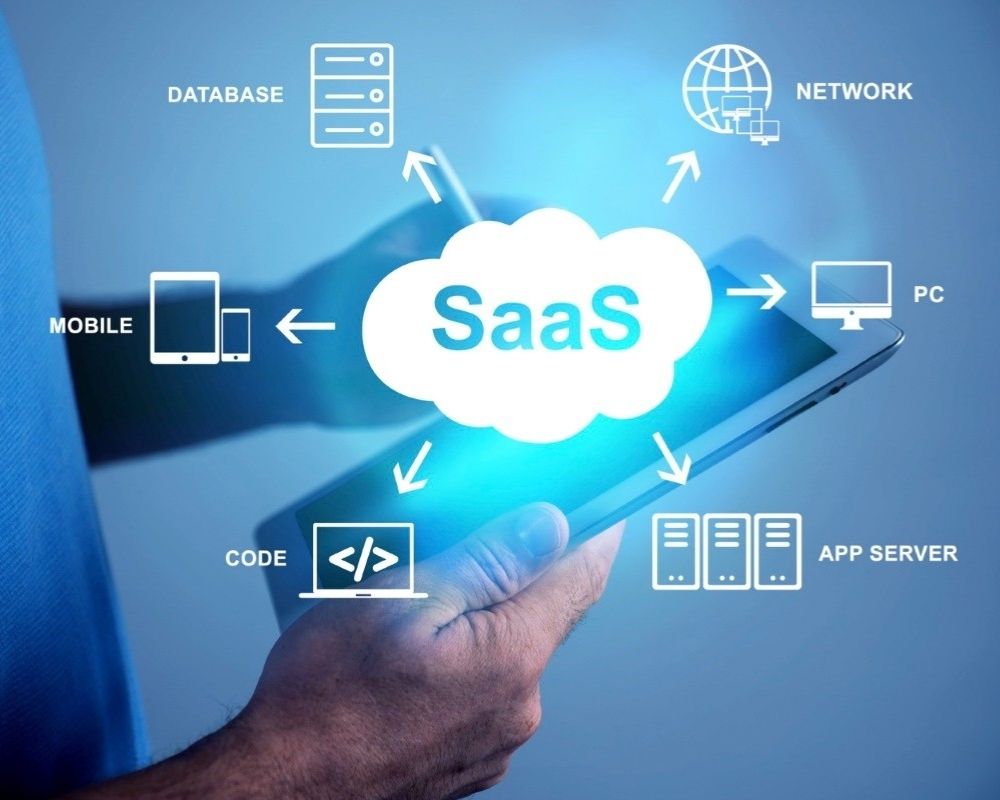
Private Label SaaS Platforms are customizable software solutions designed for businesses, resellers, agencies, technology companies, consultants, and entrepreneurs seeking to offer cloud-based software under their own brand. Depending on the platform and commercial model, businesses can customize branding, logos, colors, domains, subscription plans, customer accounts, user roles, dashboards, reports, notifications, integrations, and selected workflows to create a branded SaaS experience for their customers.
The platform can support multi-tenant architecture, customer organization management, subscription plans, user administration, role-based access control, custom domains, branded dashboards, payment integrations, automated billing, usage controls, feature-based plans, API integrations, reports, analytics, and administrative management. Available capabilities depend on the selected software product, customization scope, architecture, and commercial agreement.
As comprehensive Private Label SaaS Platforms for Businesses and Resellers, these solutions can support software resellers, digital agencies, IT service providers, consultants, startups, entrepreneurs, managed service providers, franchise businesses, and industry specialists seeking to launch, operate, or resell branded software solutions.
| Attribute | Details |
|---|---|
| Solution Name | Private Label SaaS Business Platforms |
| Main Category | Business Services & Equipment |
| Sub Category | Business Software Solutions |
| Platform Type | Private Label, White Label, Multi-Tenant, SaaS, Cloud-Based or Customized Business Software |
| Target Users | Software Resellers, Digital Agencies, IT Companies, Consultants, Startups, Entrepreneurs & Managed Service Providers |
| Branding Options | Logo, Brand Name, Colors, Custom Domain, Login Screen, Dashboard, Emails & Selected Interface Elements |
| Core Capabilities | Tenant Management, User Management, Subscription Plans, Billing, Feature Access, Dashboards, Reports & Integrations |
| Business Models | Subscription, Reseller, Licensing, Usage-Based, Per-User, Tiered Pricing or Customized Commercial Models |
| Deployment Options | Cloud-Based, SaaS, Dedicated Instance or Customized Deployment Based on Platform Requirements |
| Integration Options | Payment Gateways, CRM, ERP, Accounting Software, Communication Services, Cloud Platforms, APIs & Third-Party Applications |
| Customization | Branding, Workflows, User Roles, Subscription Plans, Reports, Dashboards, Notifications, Integrations & Selected Features |
Private Label SaaS Platforms can provide businesses with the technology foundation required to offer software services under their own branding while managing customers, users, subscriptions, permissions, features, payments, and operational reporting through centralized administrative tools.
A private label SaaS platform can allow businesses to present software under their own brand identity rather than the original technology provider's public-facing brand. Depending on the platform configuration, branding can include the company name, logo, colors, custom domain, login interface, dashboard elements, email templates, reports, and selected customer-facing communications.
Businesses can configure selected customer-facing elements to maintain brand consistency across the website, software login, user dashboard, notifications, subscription experience, and customer communications, subject to available customization capabilities.
Multi-tenant architecture can enable multiple customer organizations to use a common SaaS platform while maintaining logically separated accounts, users, permissions, configurations, subscriptions, and business data according to the selected architecture.
Depending on platform capabilities, each customer organization can have its own users, roles, feature access, subscription plan, dashboards, reports, settings, notifications, integrations, and other tenant-specific configurations.
Private label SaaS solutions can support businesses that want to package and offer software services to their own customers. The reseller can manage customer onboarding, subscriptions, user access, pricing structures, branding, support processes, and account administration according to the applicable commercial and technical model.
A centralized administrative dashboard can help authorized reseller teams manage customer organizations, active subscriptions, users, plans, feature access, account statuses, usage information, and other configured platform data.
Private Label SaaS Platforms can support different subscription and pricing structures depending on the business model and implementation requirements.
Private label SaaS solutions can be developed or configured for different industries, operational workflows, customer segments, and business models.
Businesses can offer software access through monthly, annual, per-user, usage-based, feature-based, or customized subscription plans according to the platform's billing capabilities and commercial strategy.
Agencies, consultants, IT companies, and software resellers can offer branded software to their existing or new customers as part of a broader service portfolio.
Businesses with expertise in a particular industry can offer specialized software configured around sector-specific workflows, terminology, reports, integrations, and customer requirements.
Private Label SaaS Platforms can support organizations and entrepreneurs seeking to launch branded software products, expand existing service offerings, create recurring-revenue models, or provide technology solutions to specialized customer segments.
When selecting a Private Label SaaS Platform, businesses should evaluate the level of branding control, platform ownership model, multi-tenant architecture, subscription management, customization capabilities, integrations, data management, customer administration, scalability, security, support arrangements, and applicable licensing terms.
Private label SaaS can help businesses introduce software services under their own brand without necessarily developing every component of the underlying platform from the beginning. The exact development effort and launch timeline depend on the selected platform, required customizations, integrations, branding scope, and business requirements.
Agencies, consultants, technology companies, and service providers can add branded software solutions to their existing portfolio, creating opportunities to provide customers with integrated technology and service offerings.
Using an existing SaaS technology foundation can reduce the amount of new development required compared with building an equivalent platform entirely from scratch, depending on customization and integration requirements.
Private label SaaS platforms can support recurring commercial models such as monthly subscriptions, annual plans, per-user pricing, usage-based billing, feature-based tiers, and customized enterprise agreements.
Depending on platform capabilities, businesses can deliver a customer-facing software experience using their own logo, brand name, domain, visual identity, communications, and selected interface customizations.
The platform can be configured according to specific commercial and operational requirements, including subscription plans, customer types, user roles, feature access, dashboards, workflows, reports, notifications, branding, and administrative controls.
Depending on API availability and technical compatibility, Private Label SaaS Platforms can integrate with payment gateways, CRM systems, ERP software, accounting applications, communication services, analytics platforms, cloud storage, identity providers, AI services, e-commerce platforms, and other third-party applications.
The solution can be offered as a multi-tenant SaaS platform, dedicated branded instance, reseller software platform, white label business application, customized SaaS product, or industry-specific vertical SaaS solution according to technical, operational, licensing, and commercial requirements.
Private Label SaaS Platforms can incorporate secure authentication, role-based access controls, encrypted data transmission, tenant-level data separation, activity logs, session management, backup processes, and recovery procedures according to the selected architecture and project requirements. Quality assurance can include functional testing, tenant isolation validation, subscription workflow testing, payment integration testing, branding verification, performance testing, security reviews, user acceptance testing, and deployment validation within the agreed implementation scope.
A Private Label SaaS Platform is a software solution that businesses can offer under their own brand, subject to the platform's licensing and commercial terms. Branding options may include logos, colors, custom domains, login screens, dashboards, emails, reports, and selected customer-facing elements.
The terms are often used interchangeably, although specific commercial models can differ. White label SaaS generally refers to existing software rebranded for another business, while private label arrangements may include deeper customization, exclusive configurations, specialized workflows, or other commercial terms depending on the provider.
Private Label SaaS Platforms can be used by software resellers, digital agencies, IT companies, consultants, managed service providers, startups, entrepreneurs, industry specialists, franchise networks, and other businesses seeking to offer branded software solutions.
Yes, where permitted by the applicable licensing and commercial agreement. A private label or white label SaaS arrangement can allow businesses to offer software under their own brand with configurable logos, colors, domains, customer interfaces, subscription plans, and other supported customizations.
Yes. A multi-tenant SaaS architecture can support multiple customer organizations with logically separated accounts, users, roles, permissions, subscriptions, settings, and business data according to the selected platform architecture.
Depending on platform capabilities, businesses can configure monthly or annual subscriptions, free trials, tiered plans, per-user pricing, usage-based billing, feature-based packages, coupons, upgrades, downgrades, and other commercial models.
Yes. Depending on API availability and technical compatibility, Private Label SaaS Platforms can integrate with payment gateways, CRM systems, ERP software, accounting applications, communication platforms, cloud services, analytics tools, AI services, e-commerce platforms, and other third-party applications.
Connect with EXP01023 and thousands of verified Indian exporters on Navi Exports