-
-
-
-
-
-
-
SaaS Solutions Company in India for Custom Business Software
Noida, Uttar Pradesh, India
SaaS Solutions Company India from Noida providing cloud business applications and enterprise SaaS automation tools.
Shipping Information
Exporter details revealed after verified importer registration
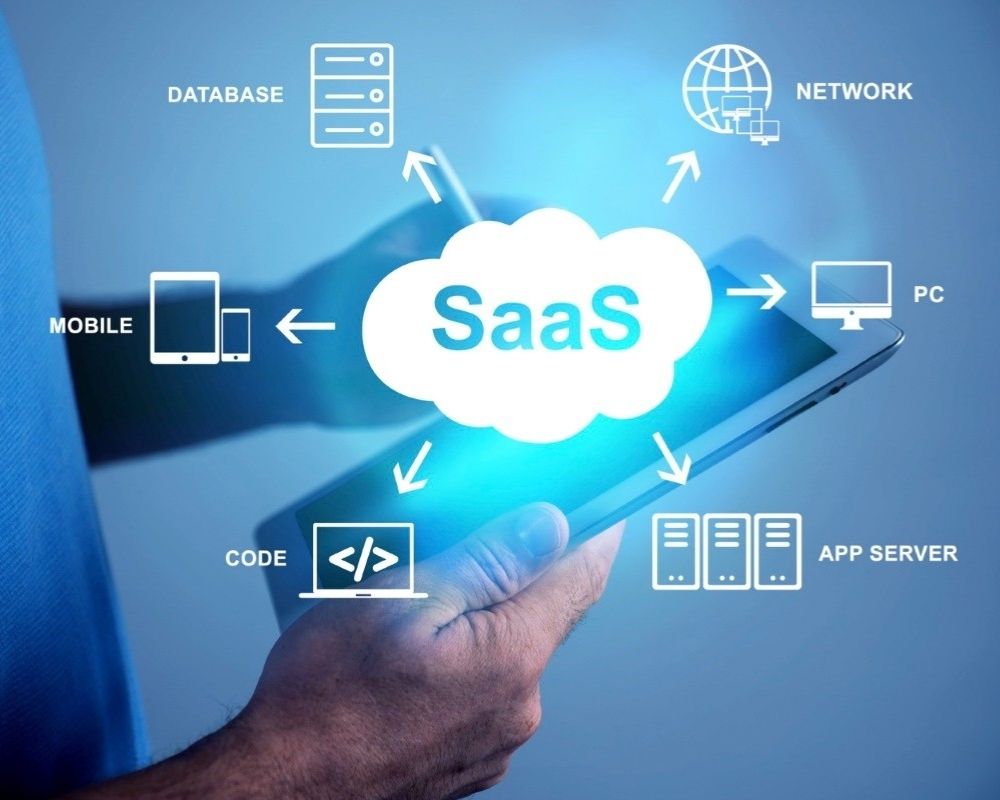
A SaaS Solutions Company in India helps startups, SMEs, enterprises, and technology businesses design, develop, deploy, and scale cloud-based software products that users can access through subscription-based or service-based delivery models. Custom SaaS solutions can be developed around specific business models, industry workflows, customer requirements, operational challenges, and digital transformation objectives.
Our SaaS development capabilities can include product discovery, requirements analysis, UI/UX design, SaaS architecture, web application development, mobile applications, multi-tenant systems, subscription management, user administration, role-based access control, payment integrations, third-party APIs, analytics dashboards, cloud deployment, security implementation, testing, maintenance, and ongoing product enhancement.
As a SaaS Solutions Company in India for Custom Business Software, we support startups, entrepreneurs, SMEs, enterprises, software businesses, digital agencies, and industry-specific organizations seeking to launch new SaaS products, modernize existing software platforms, automate business processes, or build scalable subscription-based applications.
| Attribute | Details |
|---|---|
| Service Name | SaaS Solutions Company India |
| Main Category | Business Services & Equipment |
| Sub Category | Business Software Solutions |
| Core Services | SaaS Consulting, Product Development, Multi-Tenant Architecture, Cloud Deployment, Integrations, Testing & Maintenance |
| Solution Types | B2B SaaS, B2C SaaS, Enterprise SaaS, Vertical SaaS, White-Label Platforms & Custom Business Applications |
| Platform Options | Web Applications, Mobile Applications, Administrative Portals, Customer Portals & API-Based Platforms |
| Business Models | Subscription-Based, Usage-Based, Freemium, Tiered Pricing, Per-User Pricing or Customized Models |
| Architecture Options | Single-Tenant, Multi-Tenant, Modular, API-First, Microservices or Customized Architecture Based on Requirements |
| Integration Options | Payment Gateways, CRM, ERP, Accounting Software, Communication Platforms, Cloud Services & Third-Party APIs |
| Customization | Features, Workflows, User Roles, Dashboards, Reports, Integrations, Subscription Plans & Branding |
Custom SaaS development can cover the complete product lifecycle, from initial concept and technical planning to application development, testing, deployment, maintenance, and continuous enhancement.
SaaS platforms can be developed for a wide range of industries, business models, and operational requirements. Each application can be designed according to specific user journeys, workflows, subscription models, integrations, reporting requirements, and scalability objectives.
Multi-tenant SaaS architecture enables multiple customers or organizations to use a common software platform while maintaining logically separated accounts, users, configurations, permissions, and business data according to the selected system design.
Depending on product requirements, each customer organization can have configurable branding, subscription plans, user roles, workflows, dashboards, feature access, notifications, integrations, and other tenant-specific settings.
A SaaS platform can support different commercial models according to the business strategy and technical implementation requirements.
For startups and entrepreneurs, an MVP can be developed with essential functionality required to validate the product concept, test user workflows, collect market feedback, and establish the technical foundation for future development.
An iterative SaaS development approach allows businesses to launch essential features first and expand the product based on customer feedback, usage patterns, commercial priorities, and evolving market requirements.
Custom SaaS solutions can support organizations across different industries that require scalable software platforms, centralized workflows, subscription-based services, customer portals, automation, analytics, and cloud accessibility.
When selecting a SaaS solutions company, businesses should evaluate technical expertise, product development capabilities, architecture planning, security practices, scalability, integration experience, communication processes, testing standards, deployment capabilities, and long-term maintenance support.
Custom SaaS development allows businesses to create software around specific users, industries, workflows, pricing models, operational processes, and market opportunities instead of depending entirely on generic off-the-shelf applications.
A properly planned SaaS platform can support additional users, organizations, transactions, modules, integrations, subscription plans, and geographic markets as the product grows, depending on the architecture and infrastructure selected for the project.
India offers a large technology ecosystem with expertise across web development, mobile applications, cloud infrastructure, APIs, databases, artificial intelligence, automation, DevOps, cybersecurity, and enterprise software development. Businesses can engage Indian SaaS development teams for MVPs, complete product development, modernization, integrations, and ongoing technical support.
Depending on project requirements, SaaS development can be delivered through fixed-scope projects, milestone-based development, dedicated development teams, MVP engagements, module-based implementation, or ongoing product development partnerships.
SaaS applications can be developed using modern frontend, backend, database, mobile, API, cloud, containerization, caching, search, and DevOps technologies selected according to the product's functionality, scalability, performance, security, and maintenance requirements.
Depending on API availability and technical compatibility, SaaS platforms can integrate with payment gateways, CRM systems, ERP software, accounting applications, communication platforms, analytics services, cloud storage, identity providers, AI services, e-commerce platforms, and other third-party applications.
Projects can be delivered as MVP development, complete SaaS product development, dedicated team engagements, fixed-scope projects, module-based implementations, software modernization initiatives, or long-term development partnerships according to project requirements.
Custom SaaS platforms can incorporate secure authentication, role-based access control, encrypted data transmission, audit logging, session management, tenant isolation, backup processes, recovery procedures, and other security measures according to the selected architecture and project requirements. Quality assurance can include functional testing, integration testing, performance testing, security reviews, user acceptance testing, cross-device testing, and deployment validation within the agreed project scope.
A SaaS Solutions Company in India can help businesses design, develop, test, deploy, maintain, and scale cloud-based software products, including B2B SaaS platforms, enterprise applications, multi-tenant systems, subscription software, and industry-specific digital solutions.
Yes. SaaS product development can begin with product discovery, requirements analysis, MVP planning, UI/UX design, architecture definition, development, testing, deployment, and subsequent enhancement based on business priorities and user feedback.
Yes. Multi-tenant SaaS applications can be developed with organization-level accounts, user management, role-based permissions, configurable subscriptions, tenant-specific settings, dashboards, integrations, and logically separated customer data according to architecture requirements.
Yes. An MVP can be developed with essential features to validate the product concept, test core workflows, collect early user feedback, and create a technical foundation for future product development.
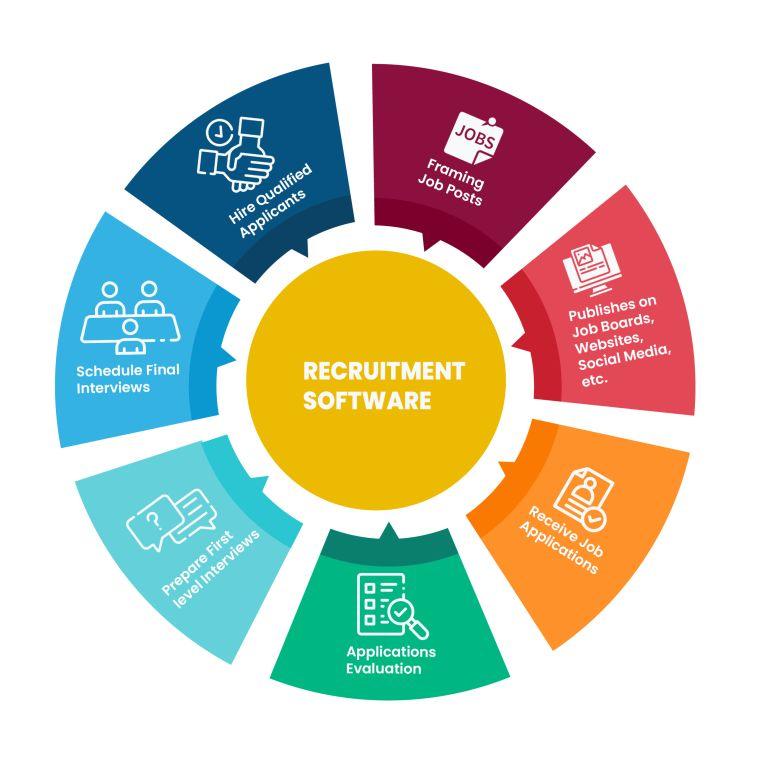
Custom SaaS solutions can include CRM platforms, ERP systems, accounting software, inventory management applications, HR and payroll systems, recruitment platforms, project management tools, healthcare software, booking systems, retail applications, hospitality platforms, and other industry-specific solutions.
Yes. Depending on API availability and technical compatibility, SaaS platforms can integrate with payment gateways, CRM systems, ERP applications, accounting software, communication services, analytics platforms, cloud storage, AI services, and other third-party systems.
Development timelines depend on product scope, number of features, user roles, architecture, integrations, design requirements, testing needs, security considerations, and deployment infrastructure. An MVP generally requires less development time than a complete enterprise SaaS platform.
Connect with EXP01023 and thousands of verified Indian exporters on Navi Exports