-
-
-
-
-
-
-
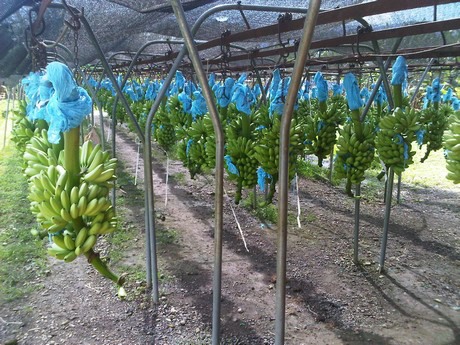
Baby Banana Exporter Sweet High Brix Fruit Supply
Chennai, Tamil Nadu, India
Baby banana exporter sweet high brix fruit supply.
Shipping Information
Exporter details revealed after verified importer registration
Baby banana, known locally as Yelakki or Elaichi banana, is a small, thin-skinned dessert banana variety valued for its concentrated sweetness, cardamom-like aroma, and firm, ivory-white flesh that holds up better in transit than most other Indian banana varieties. Tamil Nadu is one of the two main growing states for this cultivar alongside Karnataka, and its established reputation for good keeping quality has already made it a niche premium export item to Gulf markets. For importers, gourmet retail chains, and hospitality buyers looking for a differentiated banana product beyond standard Cavendish, Chennai-sourced Yelakki offers a distinct flavor profile at high Brix, consistent small-fruit grading, and the phytosanitary documentation import markets require for fresh produce.
| Attribute | Details / Value |
|---|---|
| Botanical Name | Musa acuminata, Yelakki (Elaichi) cultivar |
| Growing Region | Tamil Nadu, primarily grown alongside Karnataka |
| Finger Length | 10-13cm, notably smaller than standard Cavendish |
| Bunch/Cluster Weight | Sold as clusters or hands, 100-150 fingers per plant at harvest, packed to order |
| Flesh Color | Ivory white, firm texture |
| Aroma | Distinctive sweet, cardamom-like fragrance |
| Brix (Sugar Content) | Minimum 24-26 degrees Brix at ripeness, notably higher than standard banana varieties |
| Skin Condition | Thin skin, free from bruising and blemishes |
| Pesticide Residue | Within MRL limits per destination market regulations |
| Shelf Life | 12-15 days under proper cold chain, longer keeping quality than standard Cavendish |
| Storage Condition | 13-14°C, 90-95% relative humidity during transit |
| HS Code | 0803.90.90 (bananas, other than Cavendish), confirm with CHA |
Yelakki isn't a small Cavendish, it's a genetically distinct cultivar with a materially higher sugar content and a cardamom-forward aroma that Cavendish doesn't have. Buyers positioning it in gourmet retail, premium fruit boxes, or dessert and confectionery applications are selling the flavor difference, not just a novelty size. This matters for how the product should be marketed: it's a specialty item, not a budget or kids'-snack substitute for standard banana.
Standard Cavendish remains the right choice for high-volume, price-sensitive retail and general wholesale distribution, since it has broader global recognition and a much larger production base to draw bulk volume from. Yelakki suits buyers targeting a specific premium or ethnic-specialty retail segment rather than mainstream banana volume, and MOQs and pricing reflect that smaller, more specialized supply chain.
Tamil Nadu is one of only two Indian states growing Yelakki at real commercial scale, and Chennai Port and airport give this niche crop the same export infrastructure that larger commodity banana volumes use, without requiring buyers to source from a smaller, less established supply chain elsewhere. The variety's naturally better keeping quality compared to standard Cavendish also gives it more flexibility between air and sea freight than more delicate specialty fruits typically have, which matters for buyers balancing cost against transit time on a premium product.
Small retail clusters (4-6 fingers) in ventilated punnets or trays for premium retail display. 10-13kg export cartons with cushioned dividers for wholesale and hospitality buyers. Custom branding and private label packaging available on bulk orders given the specialty positioning of this product.
Phytosanitary certificate from India's Plant Quarantine Department for every shipment, Certificate of Origin, pesticide residue test reports available per batch, APEDA registration.
Baby banana, or Yelakki, is a distinct cultivar rather than an immature or small-picked standard banana. It carries a notably higher sugar content, around 24-26 Brix compared to standard Cavendish, along with a cardamom-like aroma and firmer ivory-white flesh, which is why it's positioned as a specialty rather than a substitute for regular banana.
Yes, Yelakki generally holds 12-15 days under proper cold chain, somewhat longer than standard Cavendish's typical 18-21 day green shelf life curve once ripening begins. This better keeping quality is part of why the variety has developed a reputation suited to export handling.
Standard bulk orders typically start at 300-500kg, smaller than usual Cavendish MOQs given that Yelakki is grown and traded at a more specialized, smaller scale. Buyers should confirm current availability directly, since supply is more limited than mainstream banana varieties.
A phytosanitary certificate from India's Plant Quarantine Department and a Certificate of Origin are standard requirements for every shipment. Pesticide residue test reports are typically available on request for buyers with their own compliance standards.
Yelakki and other non-Cavendish banana varieties are generally classified under HS code 0803.90.90, separate from the 0803.90.10 code used for standard Cavendish. Confirm the exact classification with your customs broker, as not all destination markets distinguish between banana sub-varieties at the tariff level.
Connect with EXP01002 and thousands of verified Indian exporters on Navi Exports