-
-
-
-
-
-
-
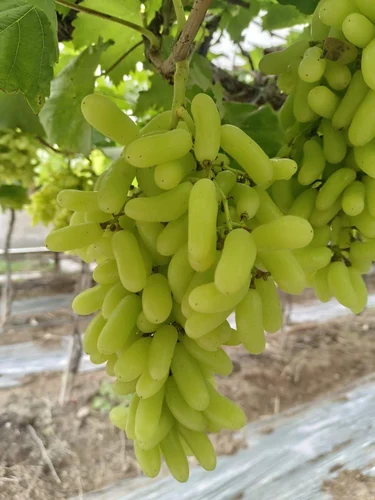
Grapes Supplier High Brix 18 Percent Export Quality
Bengaluru, Karnataka, India
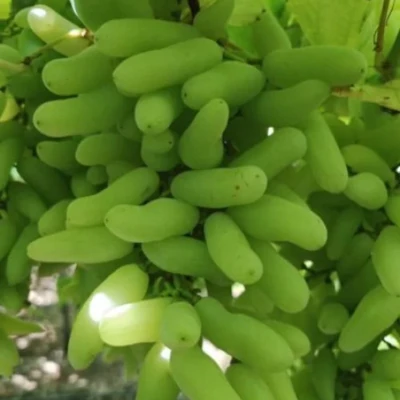
Grapes supplier high brix 18 percent export quality delivering sweet premium grapes for Europe and Gulf import markets.
Shipping Information
Exporter details revealed after verified importer registration
Brix measures sugar content, and 18% is where a table grape stops being merely acceptable and starts being the grape a European or Gulf retailer actually wants on their shelf. Nashik alone accounts for over half of India's total grape exports, and Thompson Seedless dominates the acreage here, though sweeter varieties like Sonaka and Sharad Seedless are increasingly what buyers ask for by name when sweetness is the priority over size or shelf life. Every batch leaving India for the EU runs through APEDA's GrapeNet system, a mandatory farm-to-shelf traceability requirement that tracks the fruit back to the exact plot it was grown on, not just a general regional origin claim.
| Attribute | Details / Value | Compliance / Standard |
|---|---|---|
| Varieties Available | Thompson Seedless, Sonaka, Sharad Seedless, Tas-e-Ganesh | Sonaka and Sharad Seedless generally deliver higher Brix |
| Brix Level | 18% minimum for export grade, confirmed per batch | Tested via Total Soluble Solids (TSS) analysis |
| Berry Size | 15mm to 25mm depending on variety and grade | Buyer-specified sizing available |
| Traceability | APEDA GrapeNet, farm-to-shelf plot-level tracking | Mandatory for EU-bound shipments |
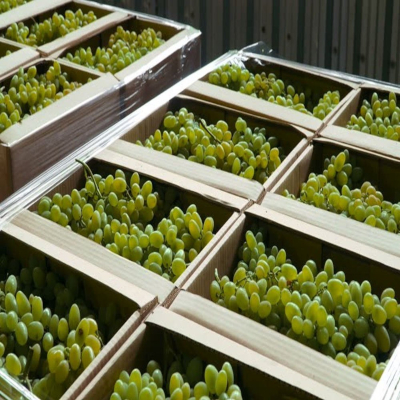
| Packaging | Perforated punnets or pouches in ventilated cartons, SO2 pads included | SO2 pads prevent gray mold (Botrytis) during transit |
| Cold Chain | Pre-cooled to 0-2°C immediately post-harvest | Maintained through sea or air transit |
| Harvest Season | Early February to early April | Peak export volume during this window |
| HS Code | 0806.10 (International) / 08061000 (India ITC-HS) | WCO Harmonized System |
Nashik's Niphad and Dindori talukas alone produce around 80% of the district's grape output, and the region's soil and climate happen to suit sugar development in the fruit particularly well, which is a large part of why Nashik dominates India's grape export volume rather than just its production volume. GrapeNet matters more here than a general traceability requirement might suggest. It's an EU-mandated system specifically because grapes face some of the strictest MRL pesticide residue scrutiny of any fresh export category, and being able to trace a batch back to its exact originating plot is what lets a rejected shipment's problem get isolated to one farm rather than casting doubt over an entire region's exports. Nashik's export infrastructure has grown up specifically to handle that level of documentation at scale.
The Netherlands takes in the largest single share of Nashik's grape exports, functioning as Europe's main distribution gateway the same way it does for other Indian fresh produce, with Germany, the UK, and Belgium following behind it. Russia and increasingly China have grown into significant markets over the past decade too. Gulf wholesale importers, particularly in the UAE and Saudi Arabia, buy consistently across the season and tend to prioritize the sweeter, high-Brix varieties specifically since retail demand there favors sweetness over the slightly tart profile some European buyers accept in Thompson Seedless.
Brix measures the sugar content dissolved in the grape's juice, so 18% indicates a genuinely sweet grape rather than one that's merely ripe enough to sell. It's tested via Total Soluble Solids analysis and is one of the main quality benchmarks buyers use to distinguish export-grade fruit from standard commercial stock.
GrapeNet is APEDA's internet-based traceability system tracking grapes from the exact farm plot through to export, mandatory for all EU-bound shipments. It exists because grapes face particularly strict EU pesticide residue scrutiny, and plot-level traceability lets any issue found in one shipment get traced back to a specific farm rather than affecting trust in the wider region's exports.
SO2 pads release small amounts of sulfur dioxide gas that actively suppress gray mold (Botrytis), a common cause of spoilage during longer transit, especially sea freight. It's standard practice for grape export rather than an optional add-on, since without it, mold risk during a multi-week sea voyage rises substantially.
Sonaka and Sharad Seedless generally deliver higher Brix than Thompson Seedless, which is the dominant variety by acreage but not necessarily the sweetest option available. If sweetness is your priority, specify this at order time rather than defaulting to Thompson Seedless simply because it's the most widely available.
Yes, the harvest runs early February through early April, and this window is when export volume, variety availability, and typically pricing are all most favorable. Ordering outside this window means limited or no fresh stock available until the next season's harvest.
Connect with EXP01002 and thousands of verified Indian exporters on Navi Exports